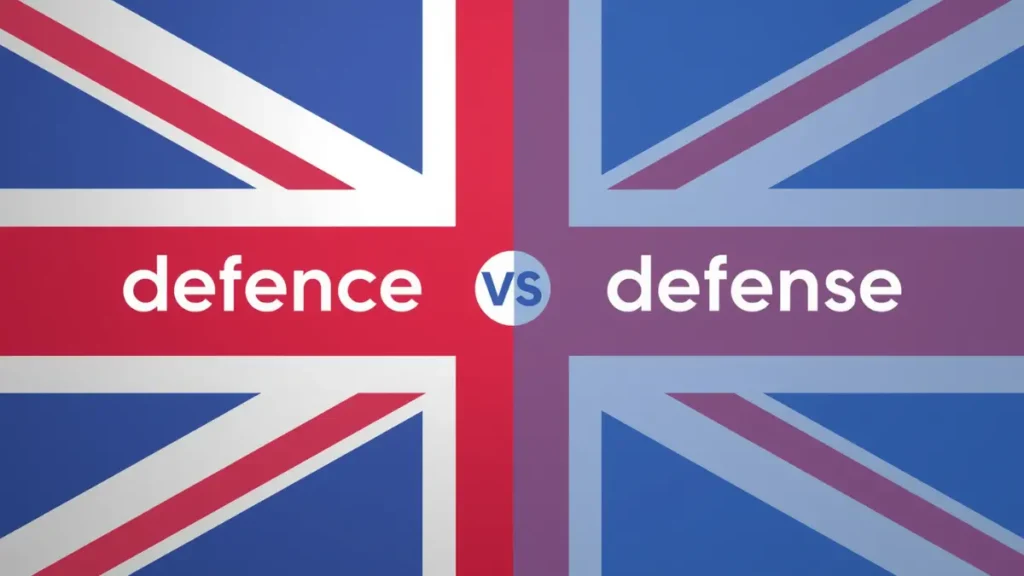
The words defence or defense often confuse English learners, writers, and even professionals. You may see “defence or defense” used in news articles, legal documents, sports commentary, and military discussions but the spelling changes depending on where you are in the world.
The confusion between defence or defense is mainly due to British English and American English spelling systems. In everyday writing, choosing between defence or defense can affect tone, audience targeting, and even professional credibility. For example, a UK newspaper will write “defence,” while a US publication will use “defense.”
Imagine reading two headlines: one says “National Defence Strategy Updated” and another says “National Defense Strategy Updated.” Both refer to the same idea, but the spelling signals different regions. This is why understanding defence or defense is essential for students, writers, and global communicators. In this article, we will break down everything you need to know about defence or defense in simple, practical terms.
Key Difference Between Defence or Defense
The main difference between defence or defense is regional spelling usage:
- Defence → British English (UK, India, Australia, Pakistan, etc.)
- Defense → American English (USA and countries influenced by US English)
Both words mean the same thing: protection, resistance, or safeguarding against harm.
On Board or Onbord : Which Spelling Is Correct?
Why This Difference Matters in Society
Understanding defence or defense is important because language shapes communication, education, and professionalism. In legal systems, military documentation, journalism, and academic writing, correct spelling shows accuracy and cultural awareness.
For example:
- A law student in the UK must write “defence” in court documents.
- A US policy analyst must write “defense” in official reports.
Using the wrong spelling may not change meaning, but it can reduce credibility. In global communication, small differences like defence or defense help identify audience, region, and writing standards.
Pronunciation of Defence or Defense
Both words are pronounced similarly:
- UK (Defence): /dɪˈfens/ → “di-FENS”
- US (Defense): /dɪˈfens/ → “di-FENS”
👉 Pronunciation is the same; only spelling differs.
Receive or Recieve: Which Is the Correct Spelling?
Linking Hook
Now that we understand the basic meaning and pronunciation of defence or defense, let’s explore deeper differences in usage, context, grammar, and real-world application.
Difference Between Defence or Defense
1. Spelling Variation
- Defence (UK)
Example: The country strengthened its national defence.
Example: The lawyer prepared a strong defence case. - Defense (US)
Example: The team focused on strong defense tactics.
Example: The military defense budget increased.
2. Regional Usage
- Defence: UK, Commonwealth countries
Example: India uses “defence ministry.”
Example: Australia has a “defence force.” - Defense: USA
Example: US Department of Defense
Example: American sports commentary uses “defense”
3. Legal Context
- Defence: Used in British law
Example: The defendant presented a defence in court.
Example: Defence arguments were accepted. - Defense: Used in American law
Example: The defense attorney spoke clearly.
Example: Defense evidence was submitted.
4. Military Usage
- Defence: UK military terminology
Example: Ministry of Defence oversees operations.
Example: Defence strategy was updated. - Defense: US military terminology
Example: Department of Defense handles policy.
Example: Defense systems were upgraded.
5. Sports Context
- Defence: UK football commentary
Example: The defence played well.
Example: Strong defence prevented goals. - Defense: US sports commentary
Example: Basketball defense was solid.
Example: Defense won the game.
6. Academic Writing
- Defence: British academic papers
Example: Thesis defence was successful.
Example: Defence mechanism studied. - Defense: American academic writing
Example: Defense strategies in psychology.
Example: Legal defense theories.
7. Business Language
- Defence: UK corporate reports
Example: Cyber defence systems improved.
Example: Defence contracts signed. - Defense: US corporate language
Example: Defense technology investment grew.
Example: Cyber defense solutions expanded.
8. Emotional/Abstract Meaning
- Defence: Used in psychological contexts (UK)
Example: Defence mechanisms protect ego.
Example: Emotional defence patterns. - Defense: US psychology writing
Example: Defense mechanisms in therapy.
Example: Defense responses to trauma.
9. Government Usage
- Defence: UK ministries
Example: Ministry of Defence policies.
Example: Defence spending increased. - Defense: US government
Example: Department of Defense report.
Example: Defense budget allocation.
10. Media Usage
- Defence: UK newspapers
Example: “Defence review published today.”
Example: Defence minister statement. - Defense: US media
Example: “Defense strategy announced.”
Example: Defense bill passed.
Nature and Behaviour of Defence or Defense
- Defence (UK): Formal, traditional, widely used in Commonwealth systems. It feels more classical and academic.
- Defense (US): Modern, streamlined spelling used in global American English communication.
Both carry identical meanings but behave differently depending on the linguistic environment.
Why People Are Confused
People get confused because:
- Both words sound the same
- Meaning is identical
- Internet content mixes UK and US spelling
- Auto-correct systems vary
- Global media uses both versions
This overlap creates uncertainty for learners and writers.
Difference and Similarity Table
| Feature | Defence | Defense |
| Spelling | British English | American English |
| Meaning | Protection | Protection |
| Usage Region | UK, Commonwealth | USA |
| Law Usage | Defence case | Defense case |
| Military | Ministry of Defence | Department of Defense |
| Sports | Football defence | Basketball defense |
| Pronunciation | Same | Same |
| Formality | Traditional | Modern |
| Academic Use | UK universities | US universities |
| Global Use | Less in US media | Widely global |
Which is Better in What Situation?
Defence is better when writing for British audiences, academic institutions in the UK, or Commonwealth countries. It is also required in official government or legal documents in those regions. It reflects traditional British English standards and is preferred in formal UK writing.
Defense is better when targeting American readers, international tech companies, US legal systems, or global digital content. It is more commonly seen in international media, sports broadcasting, and online platforms. If your audience is global, “defense” is often more widely recognized. However, consistency matters more than preference—choose one style and stick to it throughout your writing.
Metaphors and Similes Using Defence or Defense
- “His argument was a strong defence like a fortress wall.”
- “She stood in emotional defense like a shield in battle.”
- “The team’s defense was as solid as steel.”
- “Her words acted as a defence against criticism.”
Connotative Meaning
- Defence (UK): Neutral to positive
Example: Defence strategy = protection and responsibility - Defense (US): Neutral to positive
Example: Defense system = security and strength
Both rarely carry negative meaning unless used in conflict contexts.
Idioms and Proverbs
- “On the defensive” → He went on the defensive during questioning.
- “Strong defense is the best attack” → A solid defense wins matches.
- “Lower your defenses” → She lowered her defenses and trusted him.
Literature References
- The Defence of the Realm – Christopher Andrew (Non-fiction, 2009, UK intelligence history)
- Defense Mechanisms in Psychology – Sigmund Freud (Psychological theory writings, early 1900s, Austria)
- Legal Defense Strategies – American law journals (Academic legal genre, USA, 21st century)
Movies Based on Defence or Defense Themes
- The Defense (2018, Czech Republic) – Drama film
- A Few Good Men (1992, USA) – Military defense courtroom drama
- The Devil’s Advocate (1997, USA) – Legal defense thriller
FAQs
1. Are defence and defense the same?
Yes, both have the same meaning; only spelling differs by region.
2. Which is correct: defence or defense?
Both are correct depending on British or American English usage.
3. Why does spelling change between UK and US English?
Because American English simplified many British spellings historically.
4. Can I mix defence and defense in writing?
No, consistency is important in professional writing.
5. Which is more common globally?
“Defense” is more widely used in global digital and American media.
How Both Are Useful for Surroundings
Both spellings help maintain clarity in global communication. They support legal systems, military terminology, education, sports commentary, and international media. Understanding both improves writing flexibility and cross-cultural communication.
Final Words
Whether you choose defence or defense, the meaning remains the same—protection, security, and resistance. What changes is your audience and regional writing style. Mastering this small difference helps you become a more confident and professional communicator in English.
Conclusion
The difference between defence or defense is not about meaning but about language variation between British and American English. Both words describe protection, resistance, or safeguarding, yet their usage depends on regional writing standards. Understanding this difference is essential for students, professionals, writers, and global communicators.
It ensures clarity, credibility, and consistency in formal writing. While “defence” is preferred in British English, “defense” dominates American and international digital communication. Choosing the correct form depends entirely on your audience and context.
By mastering this distinction, you improve not only your grammar but also your ability to communicate effectively across cultures. In the end, both words serve the same purpose expressing the idea of protection but in different linguistic styles.

I am Arshman Ali a professional English writer and English professor with a passion for language and a commitment to excellence. I bring precision and clarity to my writing, and the same high standards into my classroom. For me, language is not just a profession it is a purpose.