Computer Engineering or Electrical Engineering: Which is Better?

It may be hard to decide on pursuing a computer engineering or electrical engineering degree. Both of them include technology, ...
Read more
Cod or Haddock: Which Fish Is Better ?
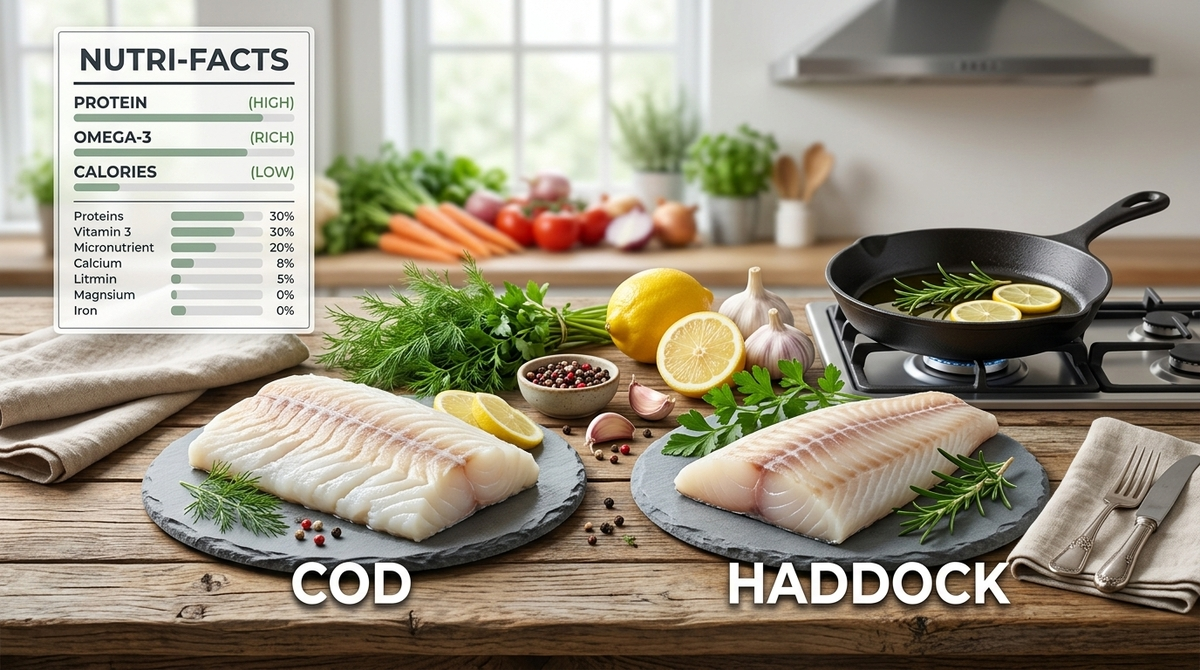
Deciding to eat cod or haddock can be more complicated than it seems. They’re both popular white fish, both belong ...
Read more
Cities in OR: Complete Guide to Cities in Oregon

If you are not used to U.S. abbreviations for states, it may be confusing to search for cities in OR. ...
Read more
I Have Ran or I Have Run? Which One Is Correct?
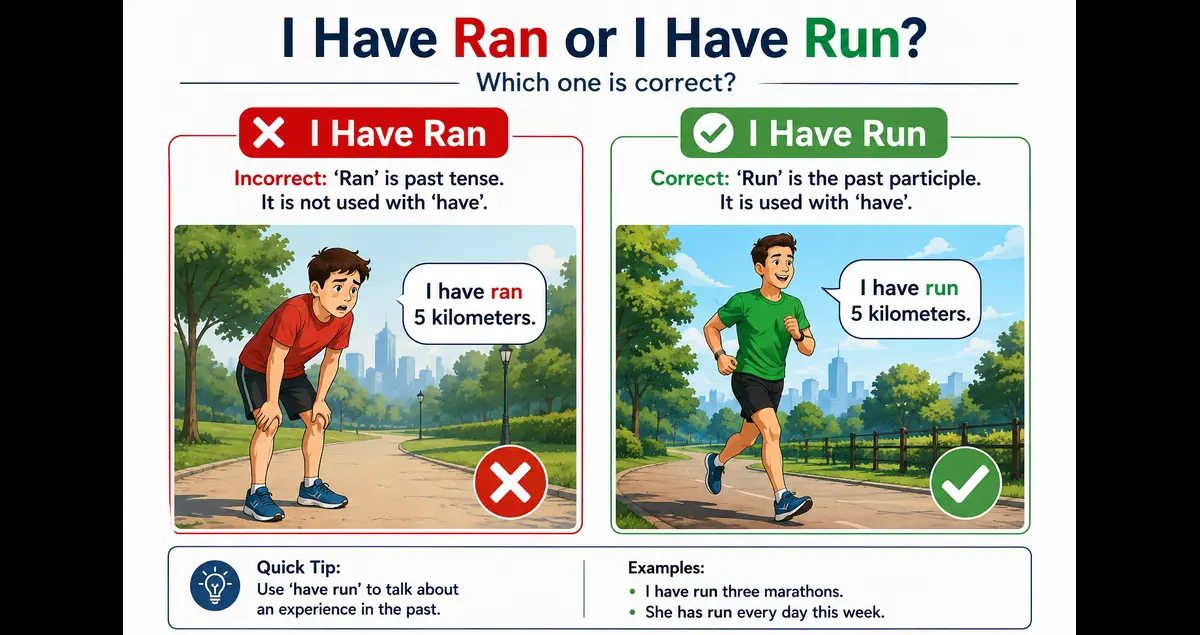
Many English learners and even native speakers ask the same question: “I have ran or I have run?” The confusion ...
Read more
A MBA or an MBA? Which One Is Correct?
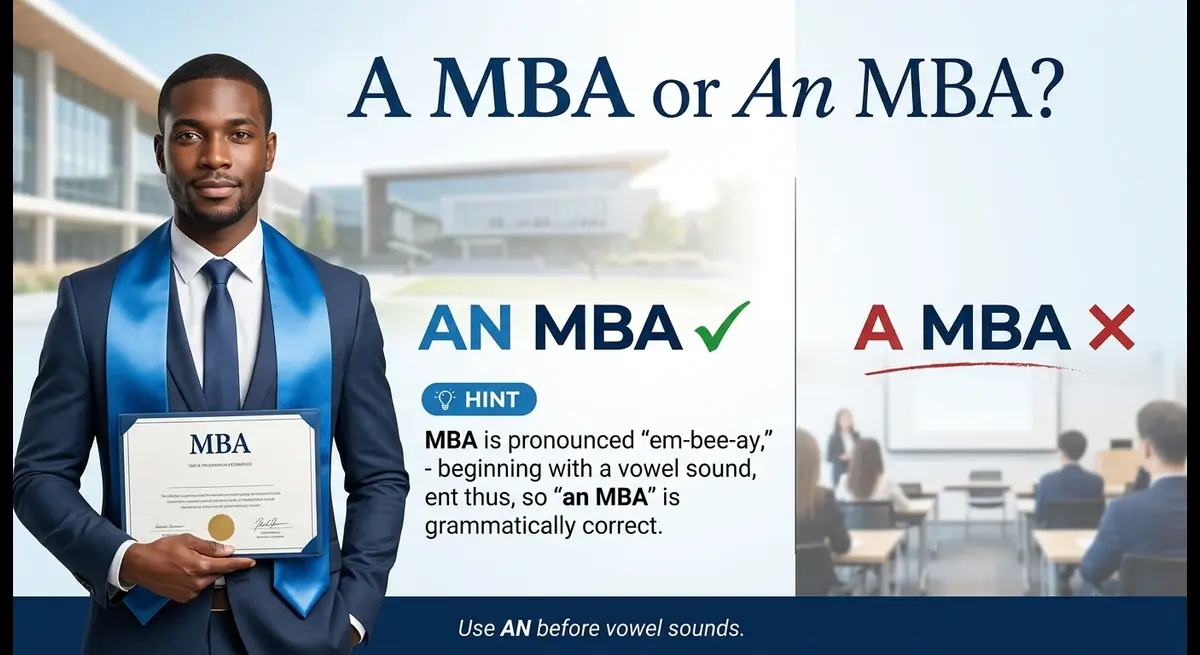
Have you ever wondered whether you should write “a MBA” or “an MBA”? Many English learners, students, job seekers, and ...
Read more
Check In or Check In: Which Spelling Is Correct?

Ever find yourself taking a break while composing an email and question whether it’s correct to write “check in” with ...
Read more
Compliment vs Compliment: What is the Difference?

The word “complement” is one of the most confused words in the English language. There’s no difference in their sound. ...
Read more
Coarse vs Course: What does it mean? (+ Easy Examples)
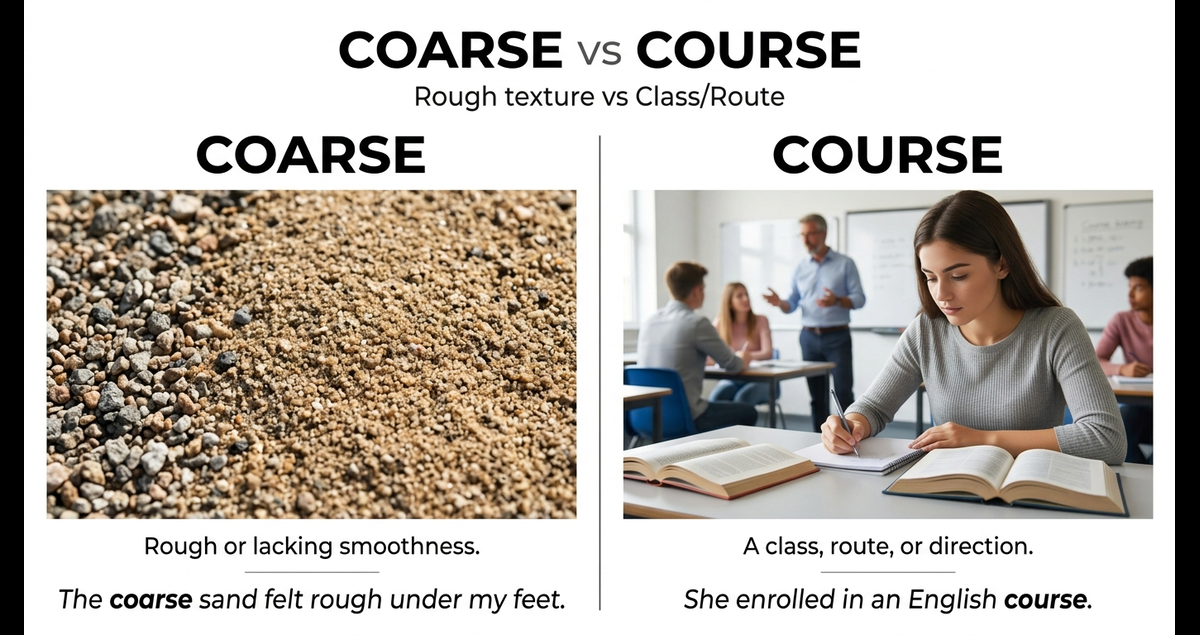
You are creating an e-mail. You would like to tell about some rough sandpaper, or perhaps the golf course down ...
Read more
Will or Would: What’s the Difference ?

Many English learners and native speakers struggle with will or would. Both words are helping verbs, and both talk about ...
Read more
The Difference Between Hole and Whole! (+ Easy Examples)
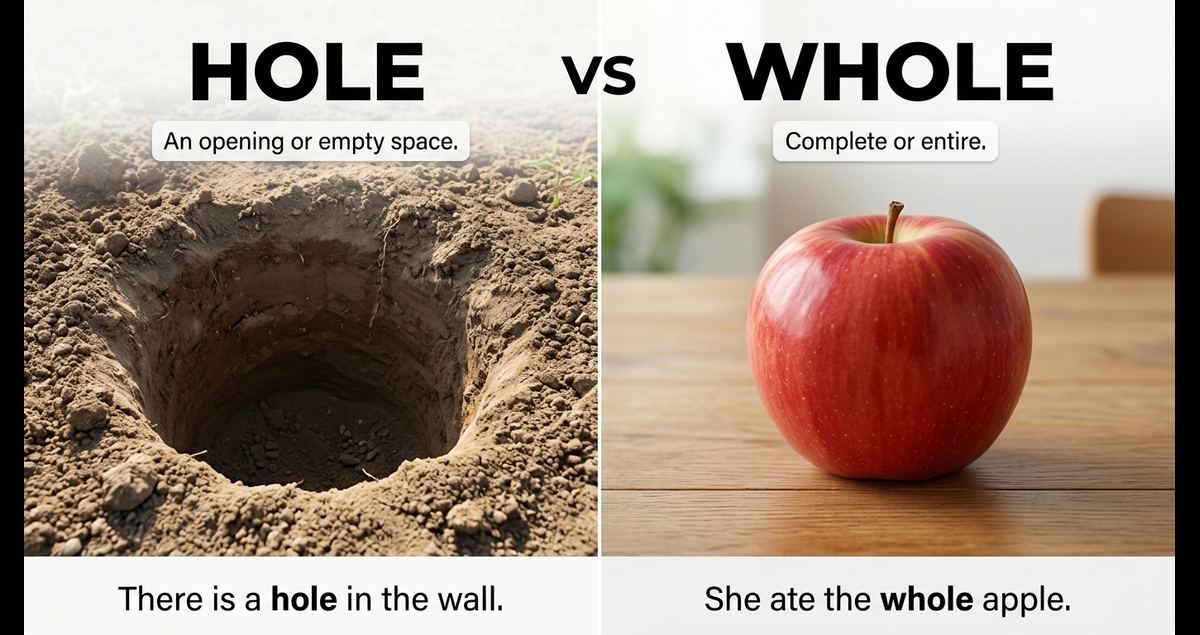
You are composing an email message. You wish to write “whole,” but your fingers type “hole. Sound familiar? You’re not ...
Read more