Difference between their, theres and they’re, how to use them.
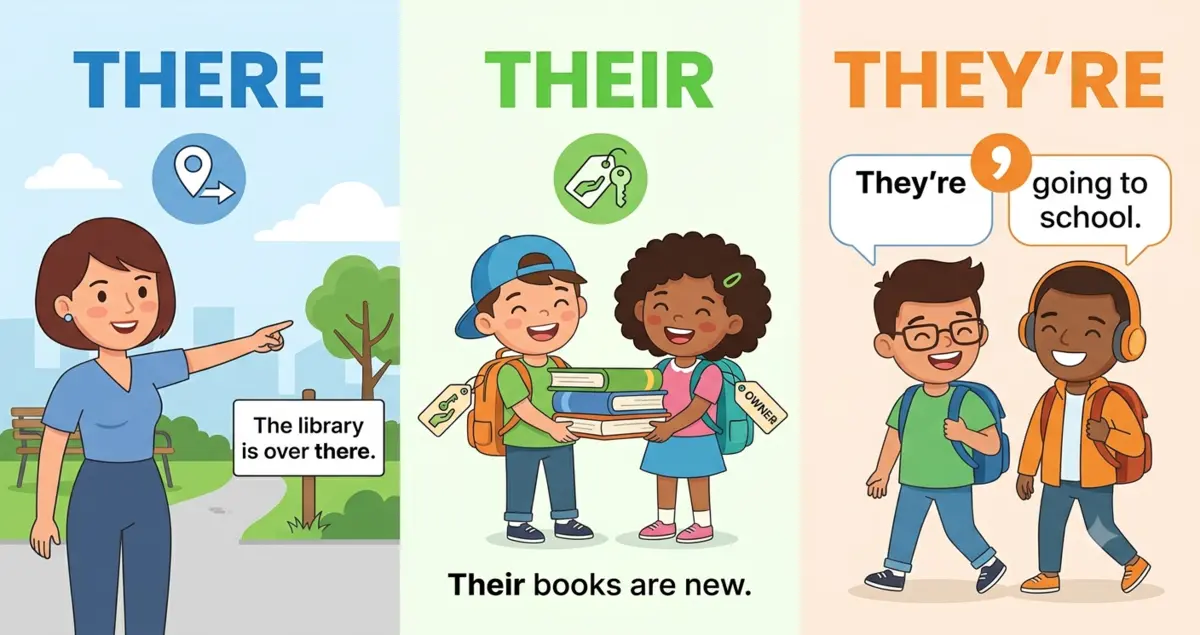
Ever get stuck while writing because you didn’t know if you should use their, there, or they’re? You’re not alone. ...
Read more
Spoke or Spoken: What’s difference between them
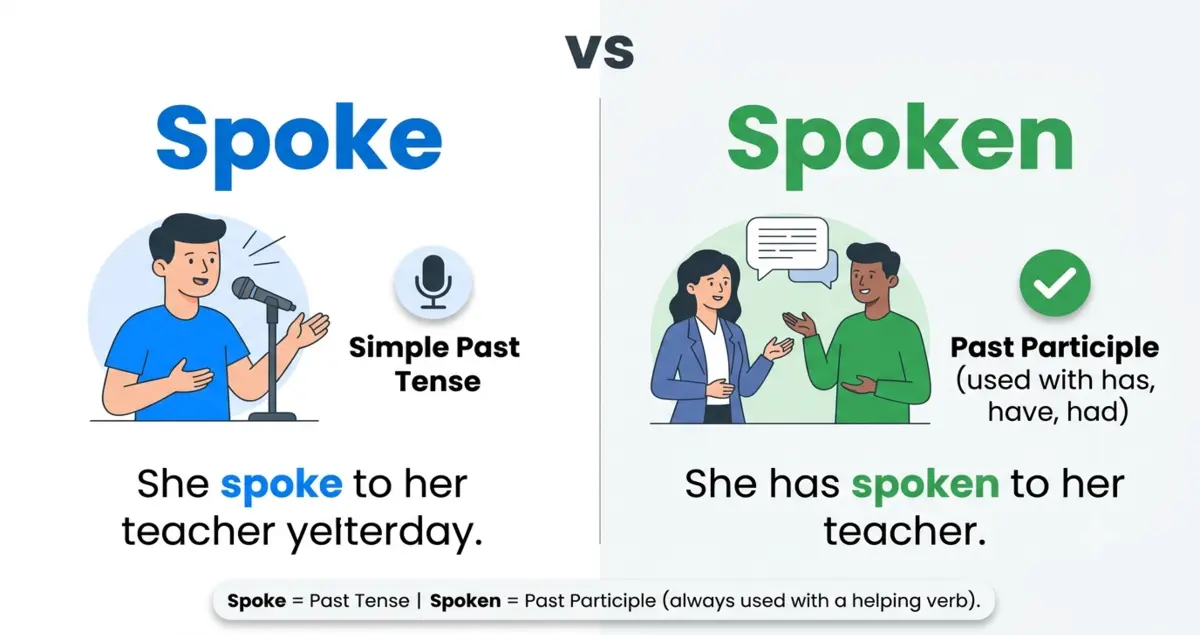
English learners and writers often look for the words “spoke or spoken” because they are so similar in appearance, but ...
Read more
Went or Gone: What’s Difference and Which One you Use?
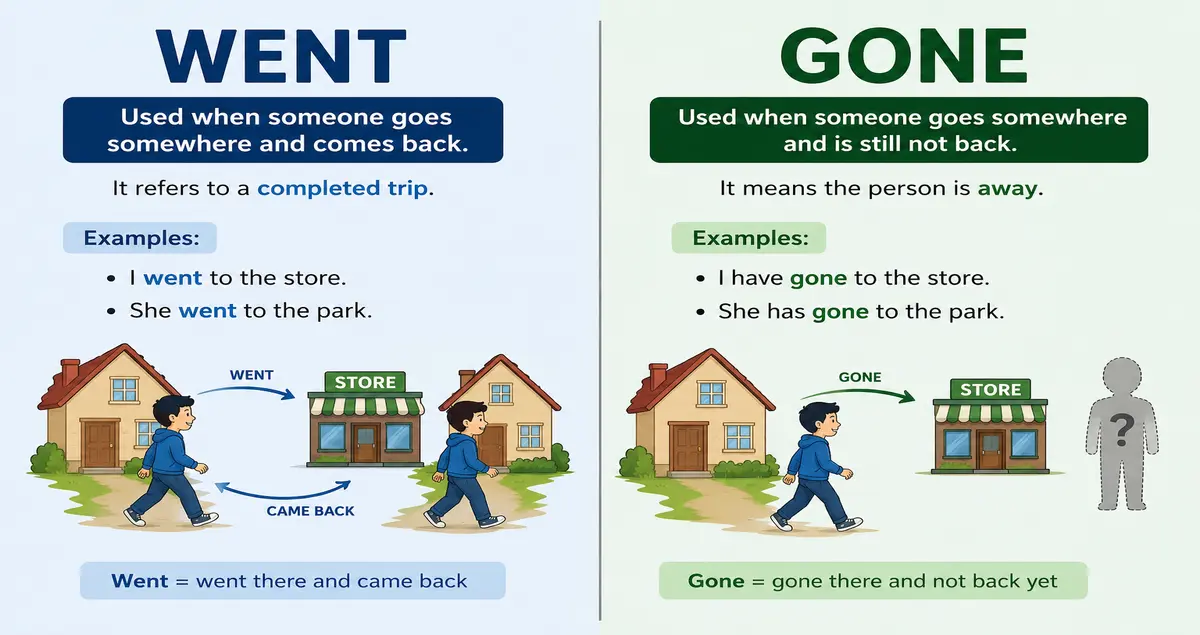
Many people search for “went or gone” because these two words often cause confusion in English grammar. Both words come ...
Read more
How to tell the difference between Elicit and Illicit:
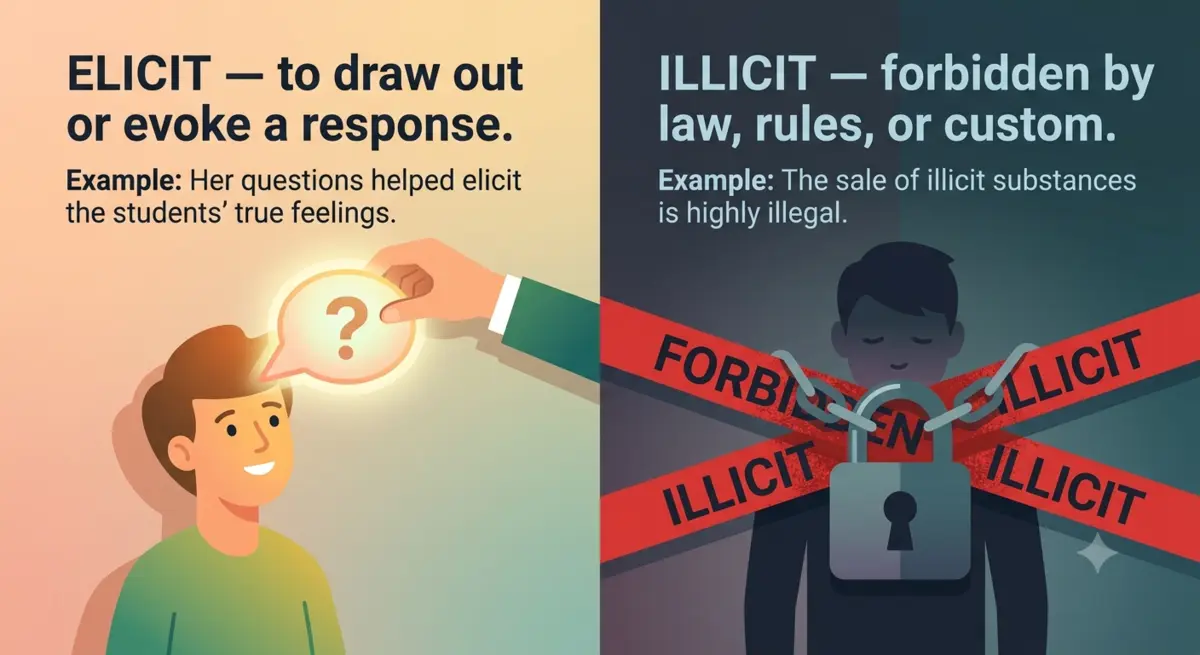
Have you ever typed out a sentence, looked at it and thought, “Wait, is that the correct word?” You’re not ...
Read more
Right or Write or Rite: What’s Difference and Which Word You Use?
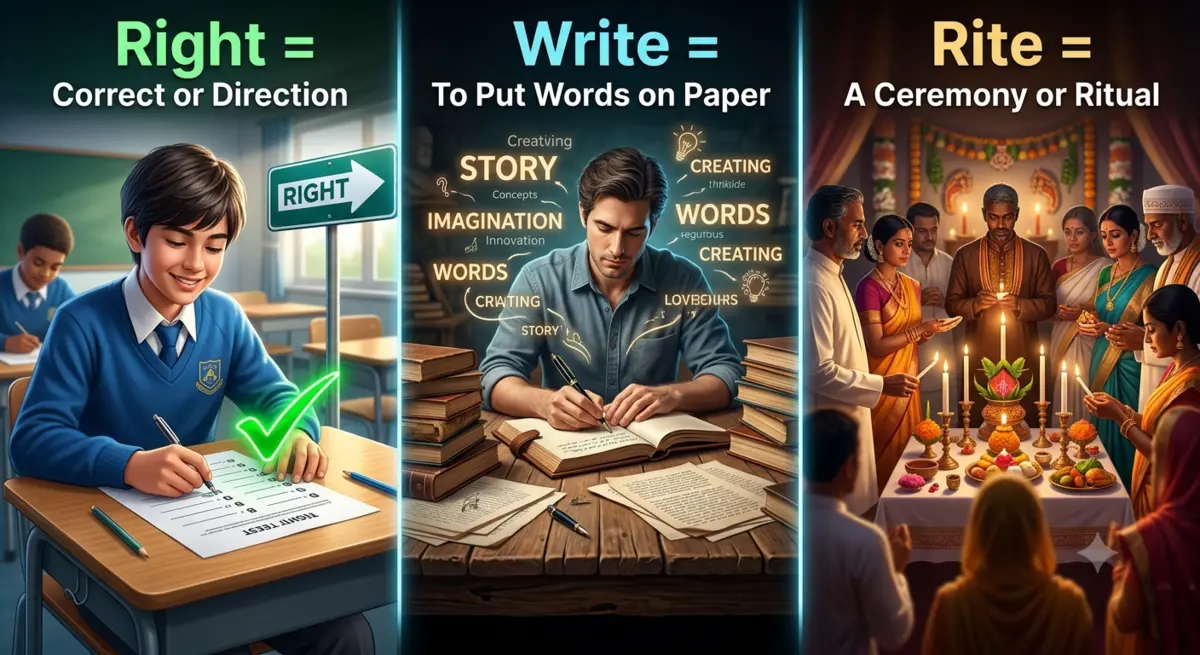
Many English learners confuse right, write, and rite because all three words sound the same. These words are called homophones. ...
Read more
Desert vs Dessert: What’s the Difference between them
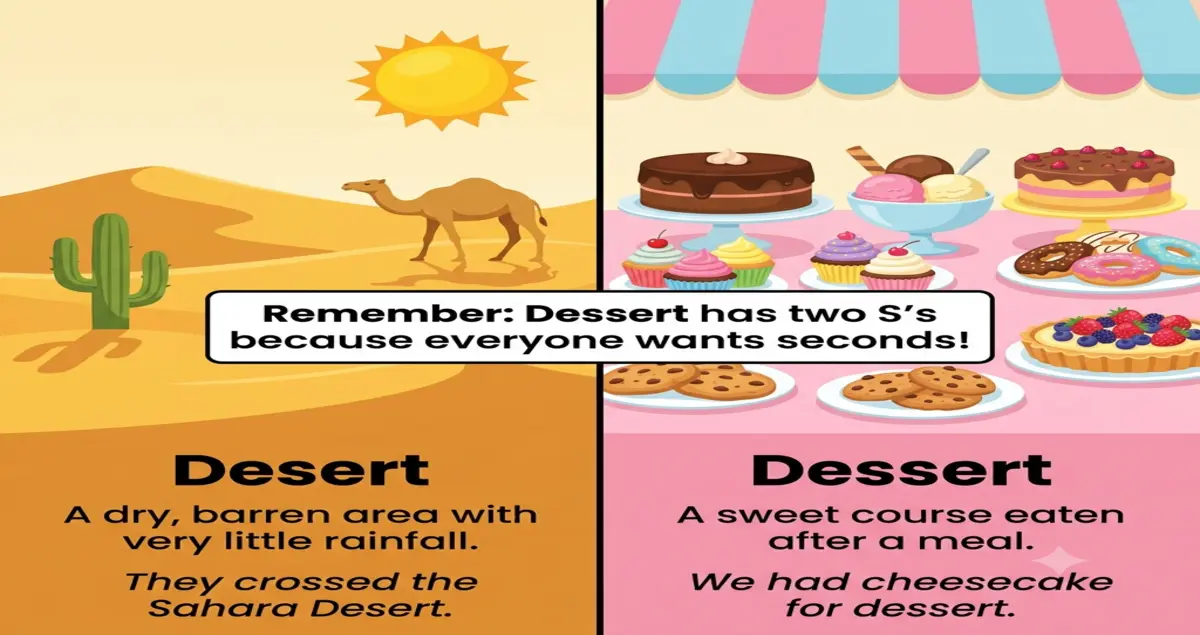
Many people confuse desert and dessert because the words look very similar. A single extra “s” changes the meaning completely. ...
Read more
Peace or Piece: What’s Difference and Which Word You Use?
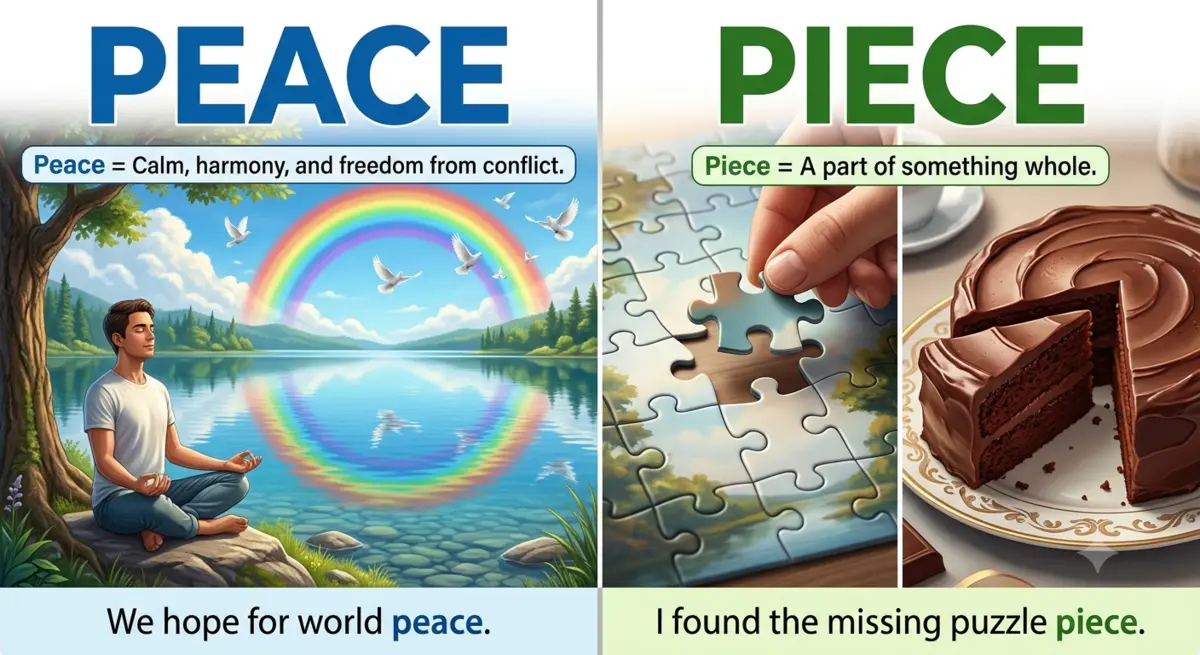
Many English learners confuse peace and piece because the two words sound the same. They are homophones, which means they ...
Read more
Plain or Plane: What’s Difference and Which Spelling You Use?
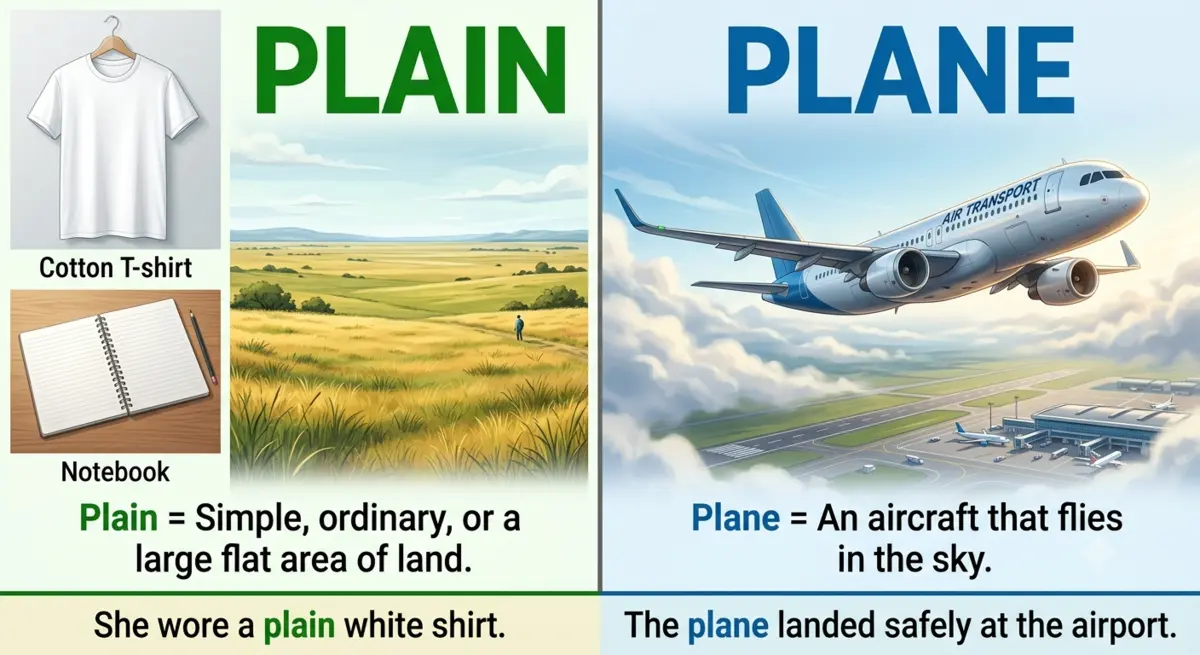
Many English learners confuse plain and plane because the two words sound the same. They are homophones, which means they ...
Read more
Its or It’s: What’s the Difference and Which One Should You Use?
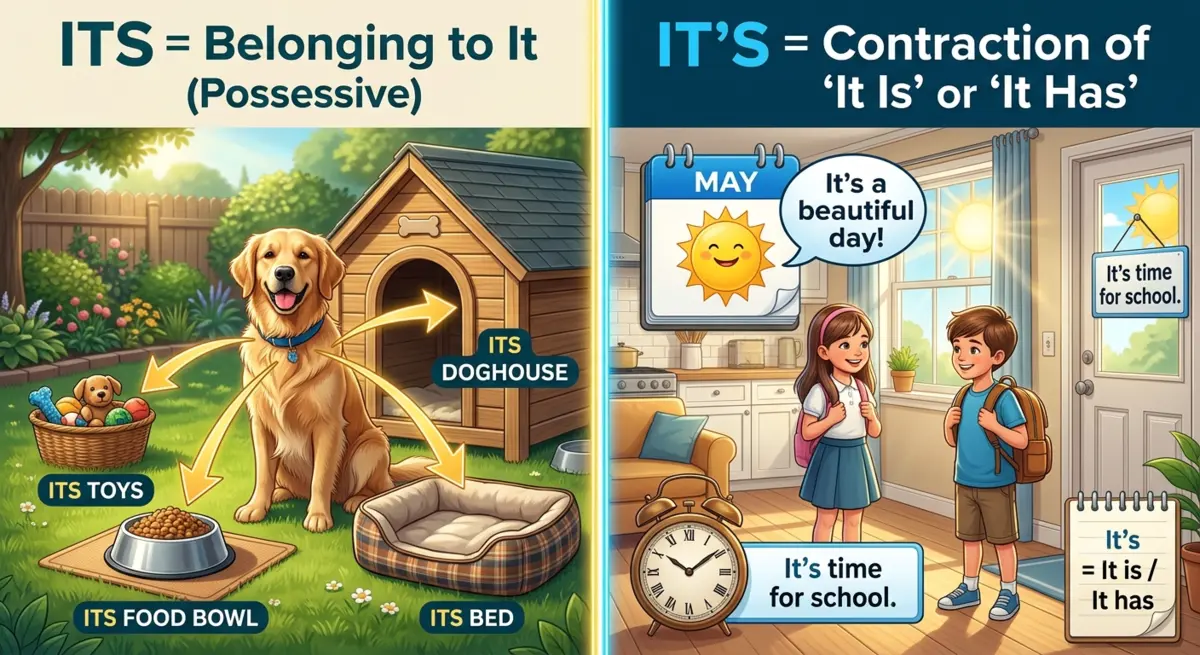
Many English learners and even native speakers get confused about its or it’s. The two words look almost the same, ...
Read more
Colon or Semicolon: What’s Difference and When You Use?
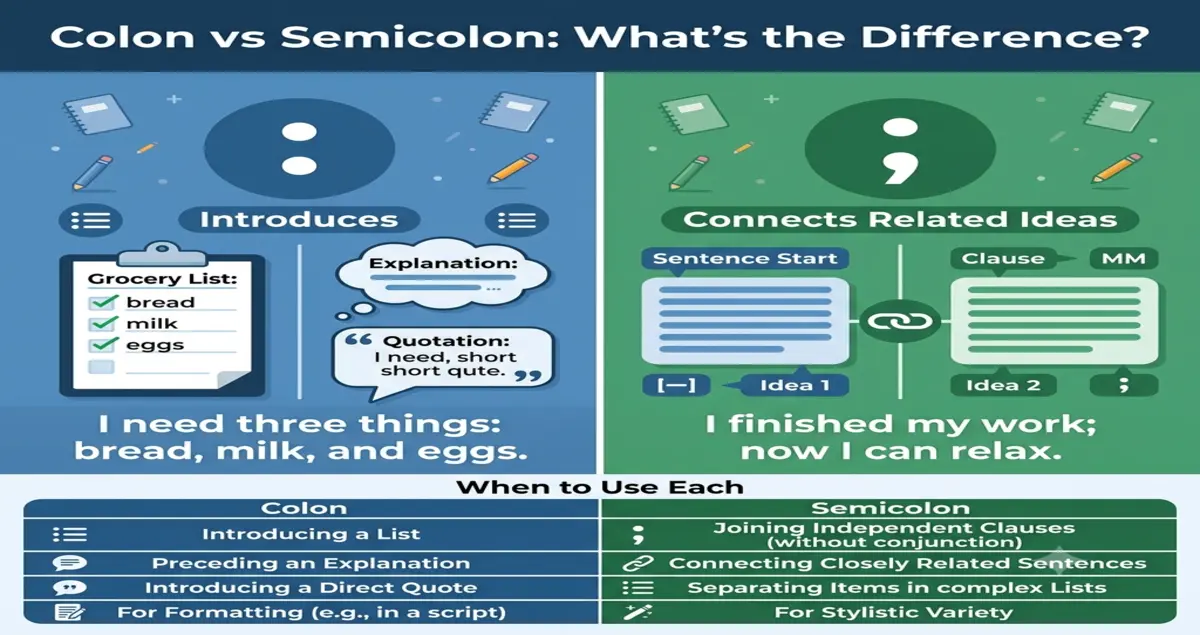
Many writers struggle with colon or semicolon rules. These punctuation marks look similar, but they do very different jobs in ...
Read more