Grate or Great? What’s the Difference? (+ Easy Examples)
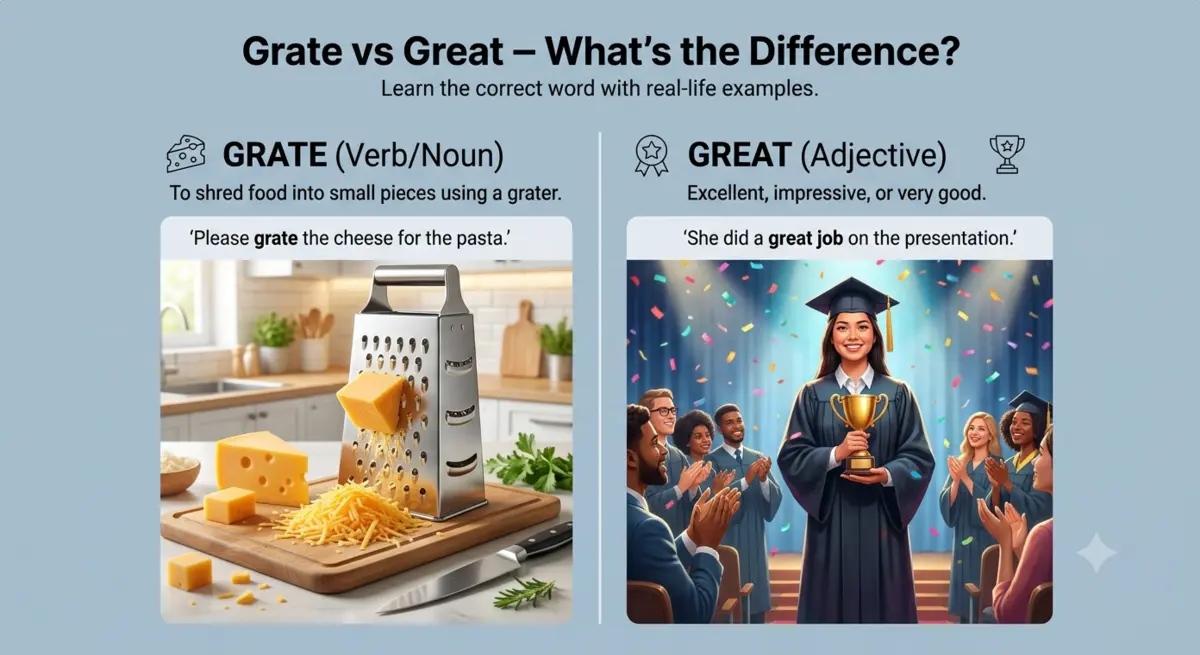
You put out a message to a friend, or stop. Grateful or Great? Your fingers are on the keyboard, your ...
Read more
Hear vs Here: What’s the Difference? (+ Easy Examples)
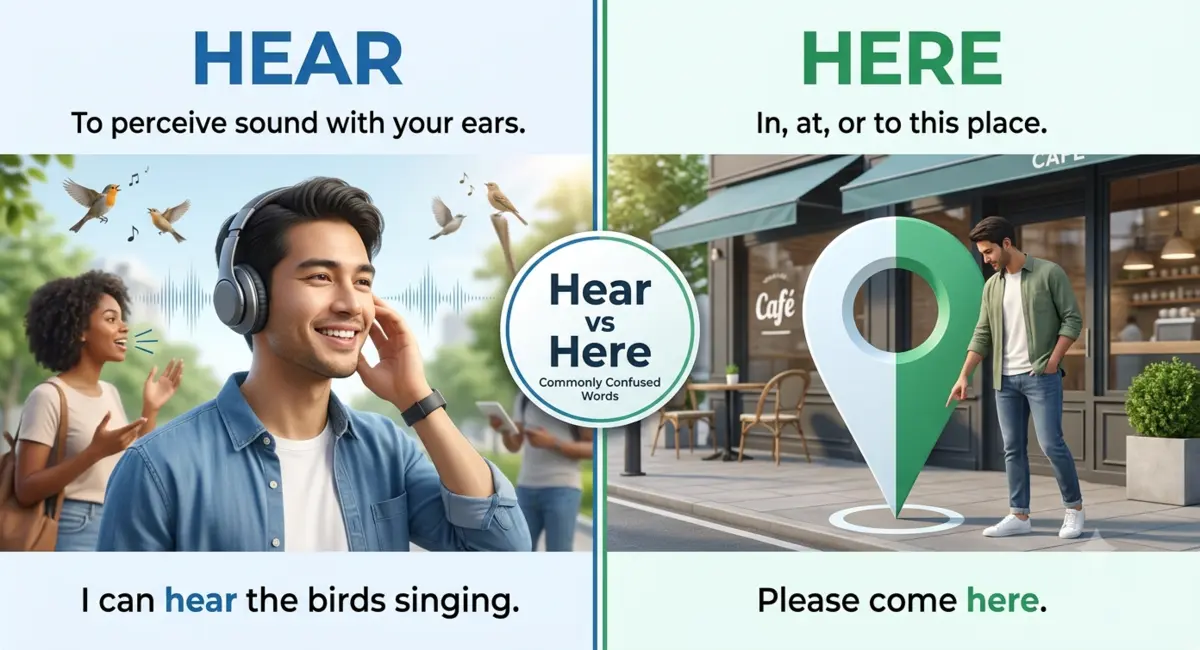
You’re composing a hasty message. You’d like to type “come over to this spot,” but your fingers type “hear” instead ...
Read more
What’s the Difference? Aloud and Allowed
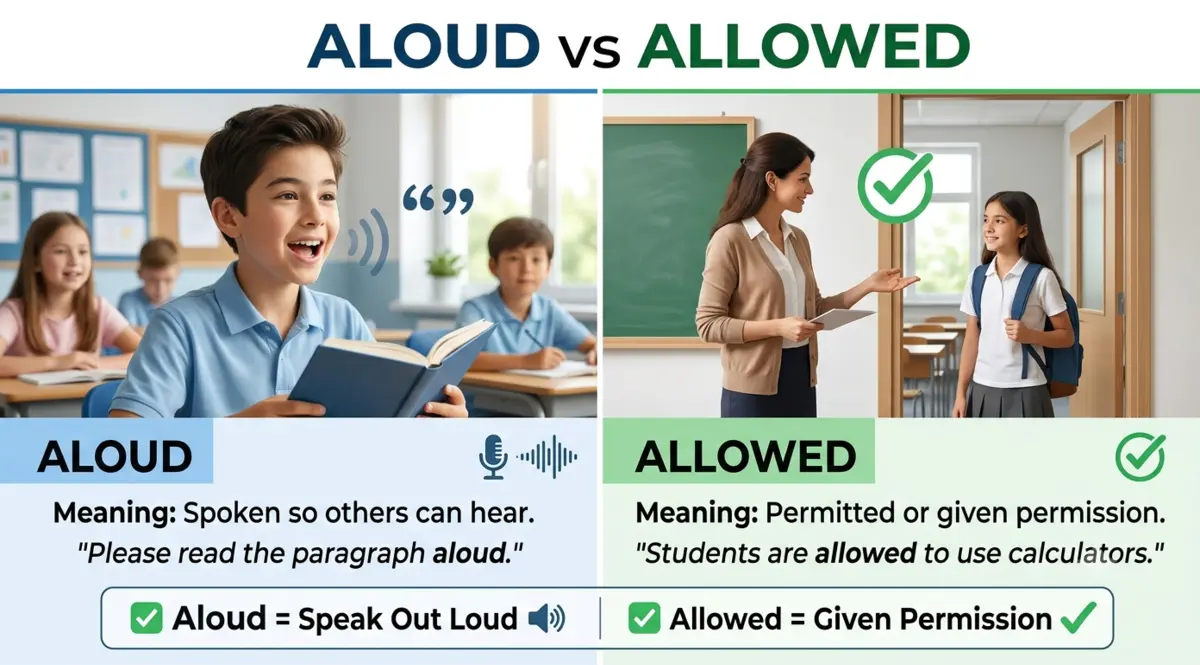
Ever thought of writing “read aloud” or “read allowed“? Or wondered if they can speak or wanted to speak loudly? ...
Read more
Complement vs Compliment: What’s the Difference?
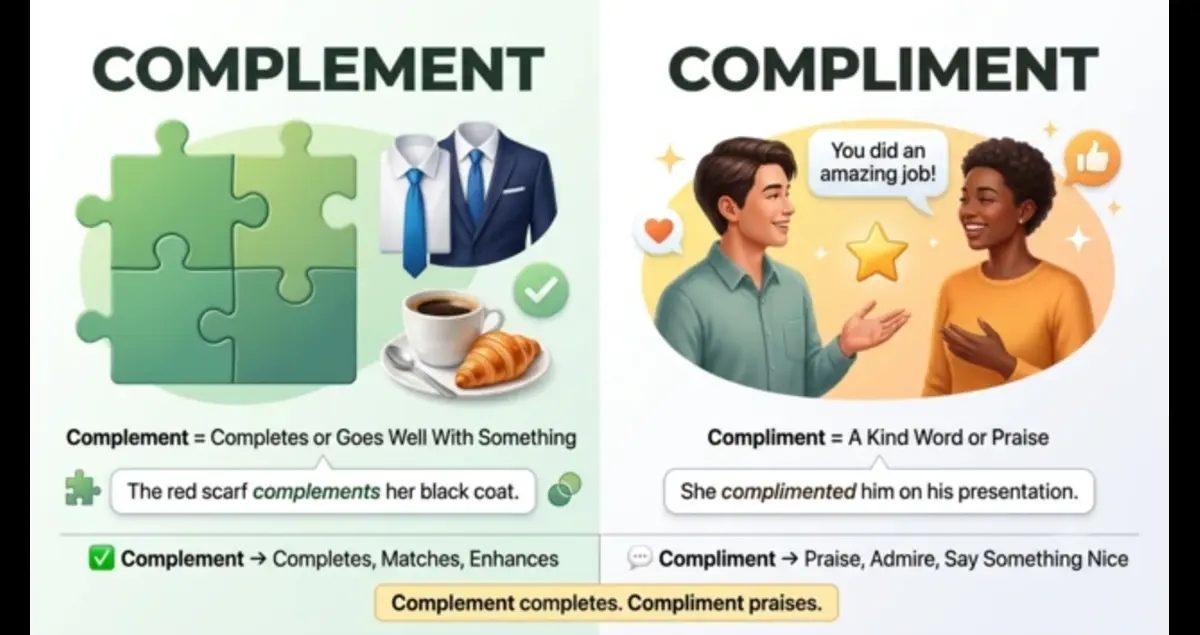
You are composing an e-mail message. You want to let a colleague know that their presentation was outstanding. Is it ...
Read more
Altar vs Alter: What’s the Difference? (+ Easy Examples)
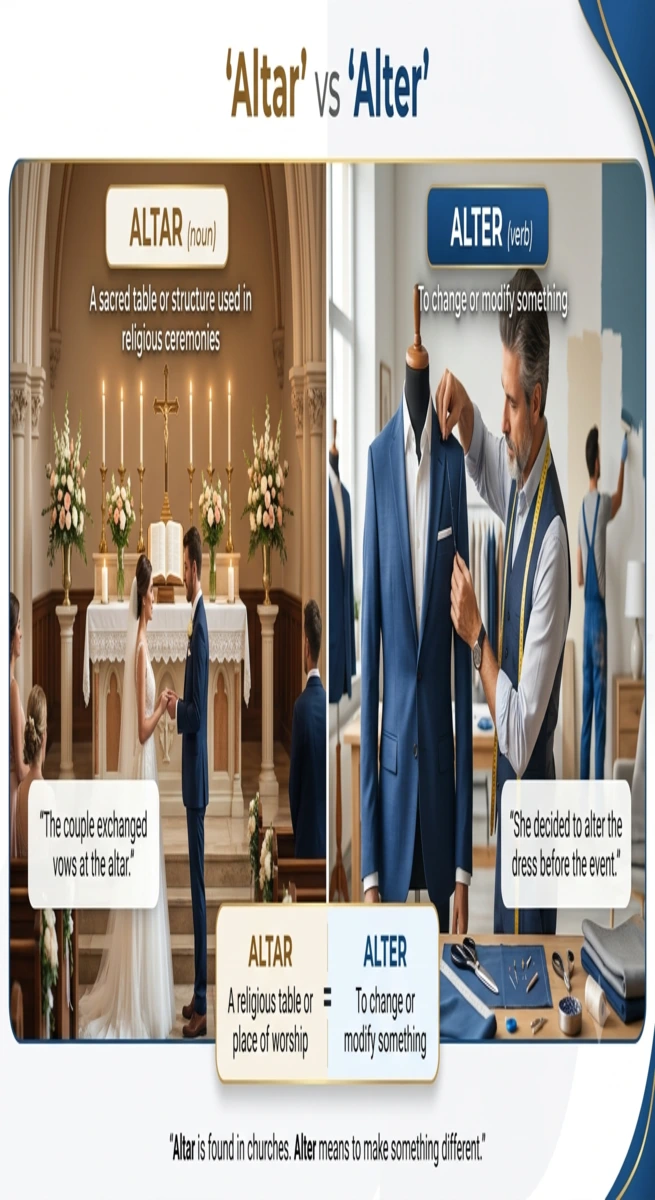
You are writing a Wedding scene. The couple is standing in the front of the church, holding place for the ...
Read more
Stationary vs Stationery: What’s the Difference?
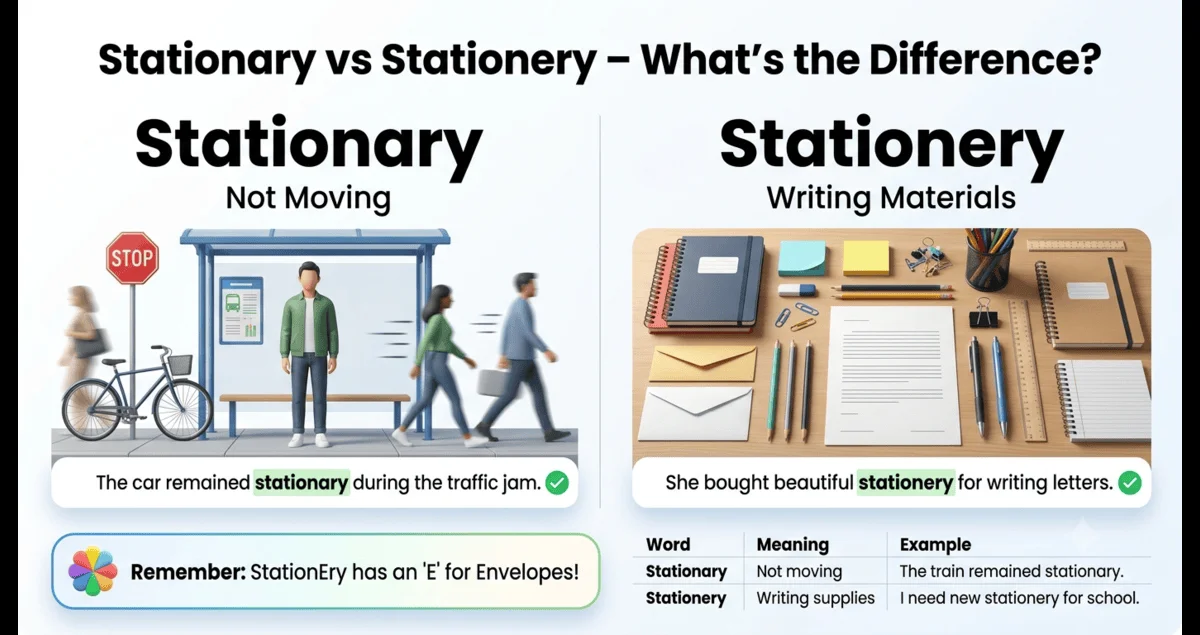
You’ll no doubt have typed one of these words, and then just stopped. Is it ‘stationary‘ or ‘stationery‘? They sound ...
Read more
Bingeing or Binging: Which Spelling Is Correct?
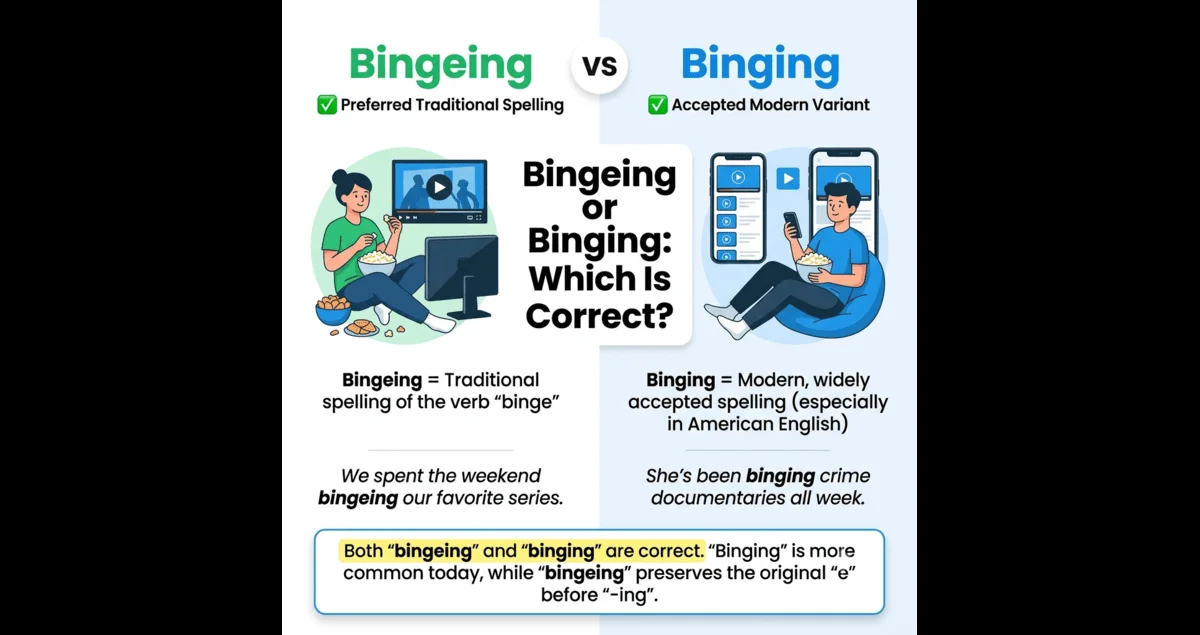
Have you ever typed “bingeing” and wondered if it should actually be “binging”? You’re not alone. Thousands of people search ...
Read more
Passed or Past: What’s the Difference? (+ Easy Examples)
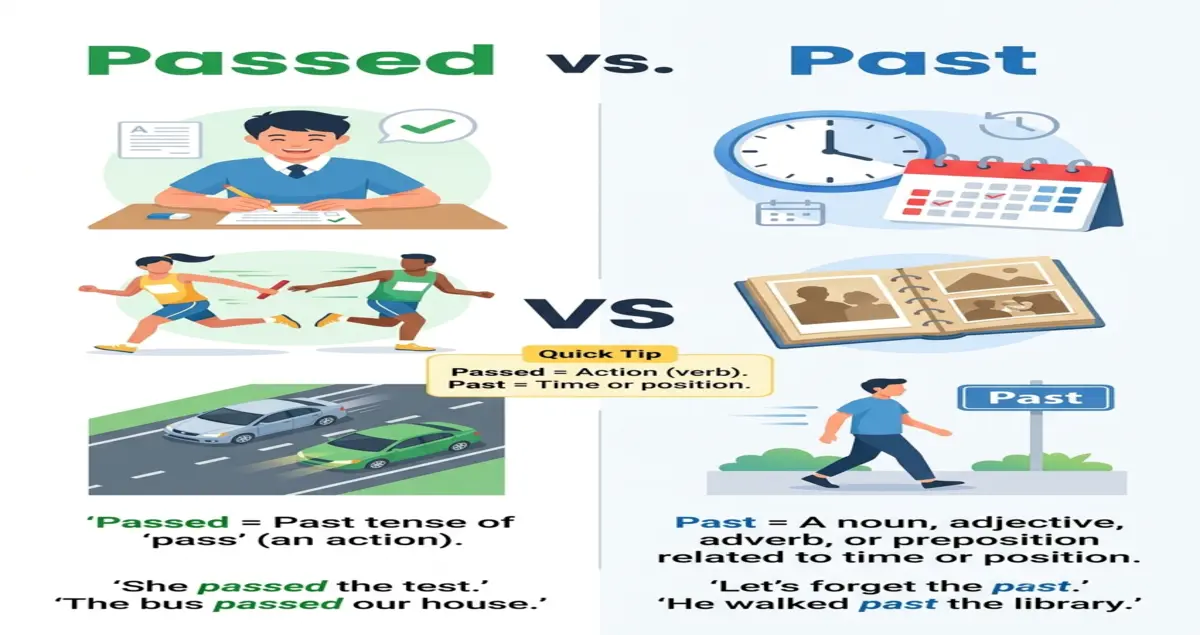
You are composing an email message. You type in, “we past the deadline,” and it’s not quite right. Or perhaps ...
Read more
Advice vs Advise: What’s the Difference? (+ Easy Examples
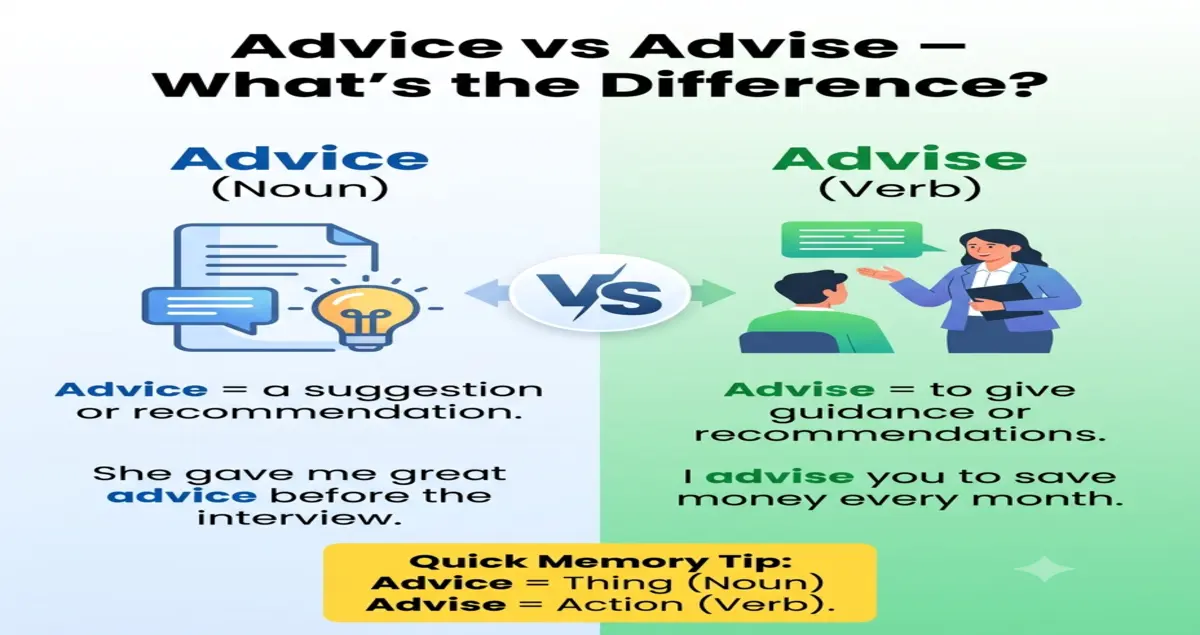
You’re composing an email. You wish to ask your boss for assistance. Should you or “advise“? Do you say “thank ...
Read more
Began or Begun The Simple Rule You’ll Never Forget
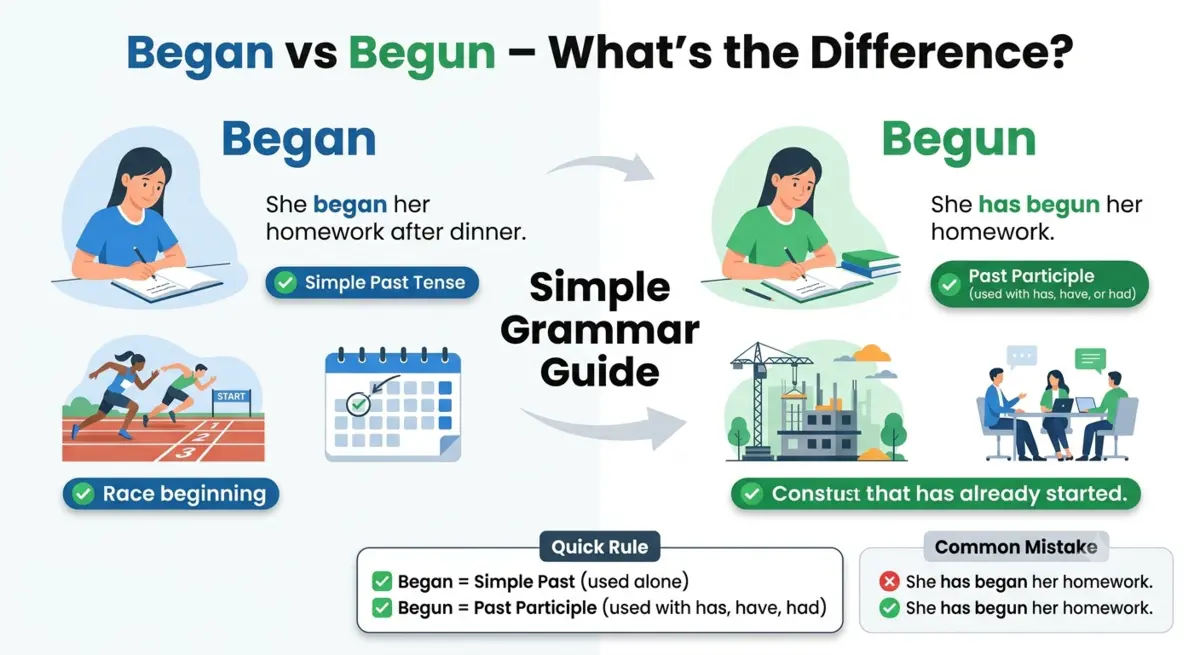
You’re composing an e-mail message. You type “I have started the project. There’s something wrong, but you don’t know what.If ...
Read more