The Difference Between Hole and Whole! (+ Easy Examples)
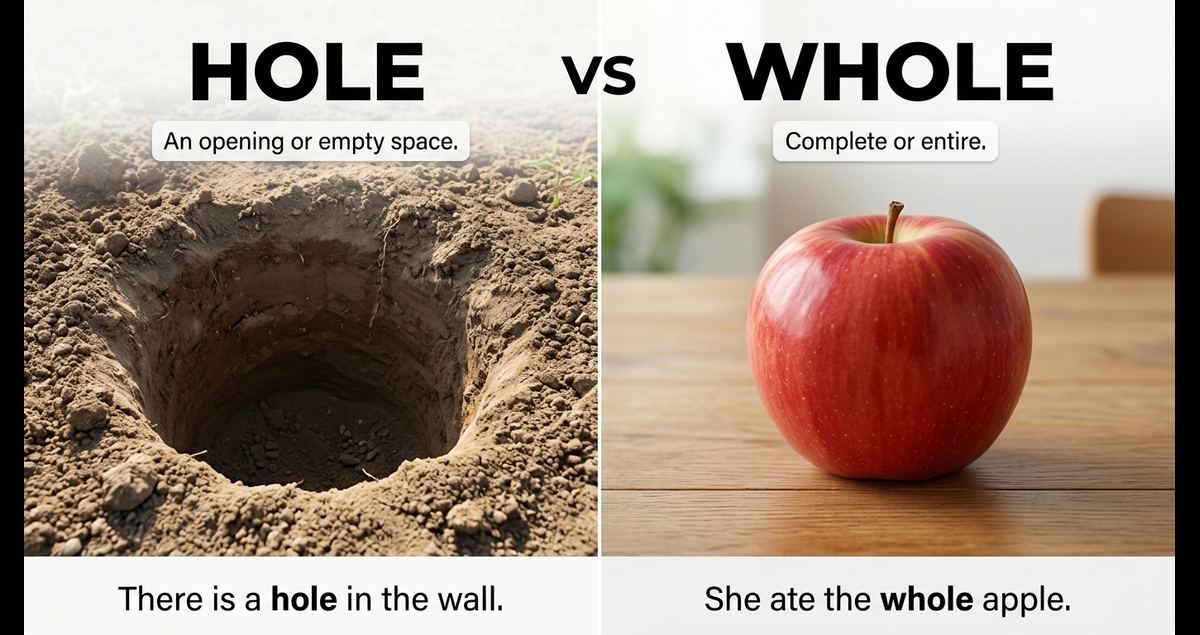
You are composing an email message. You wish to write “whole,” but your fingers type “hole. Sound familiar? You’re not ...
Read more
Brake vs Break: What’s the Difference? (+ Easy Examples)
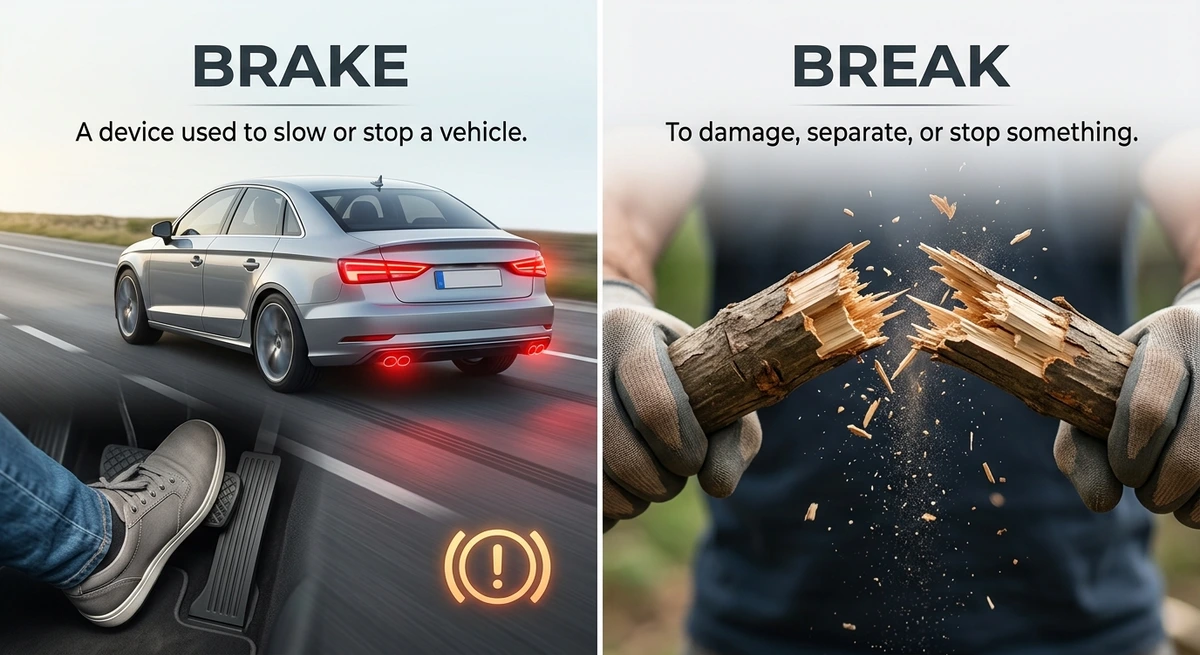
Your fingers are going numb while you are typing an e-mail. Should it be ‘hit the break‘ or ‘hit the ...
Read more
Which Award or Trophy : Which One Should You Really Use?
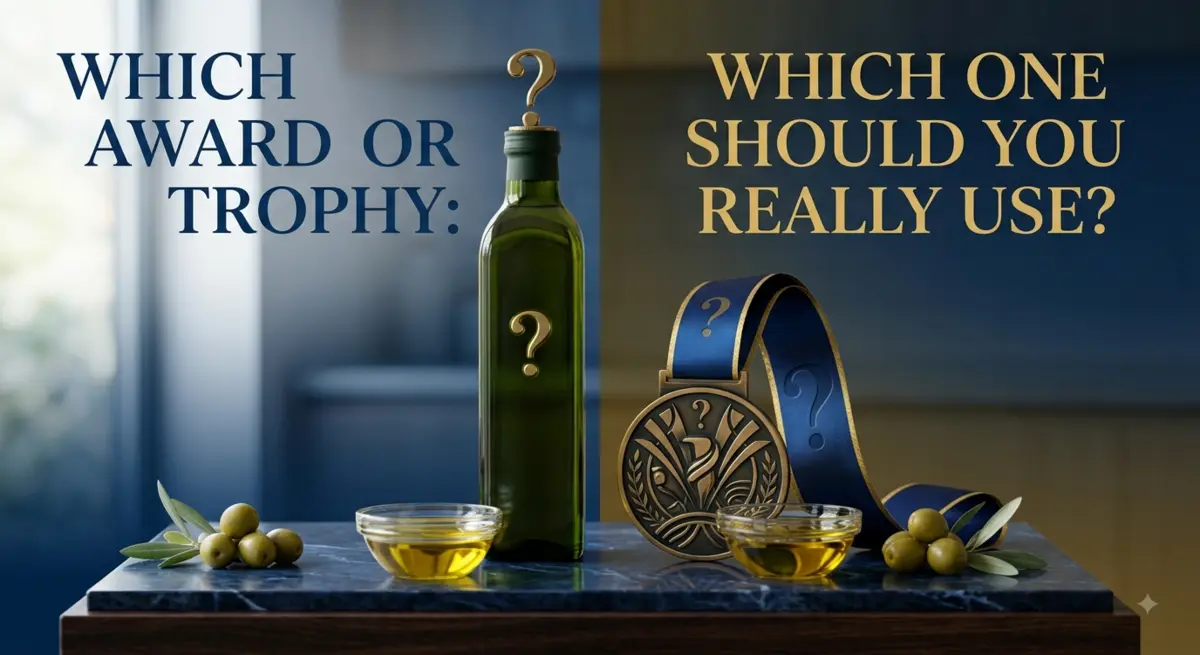
A prize is won in a race. A team makes a big game. A company wins a big deal. What ...
Read more
Axel or Axle: Which Spelling is Correct?
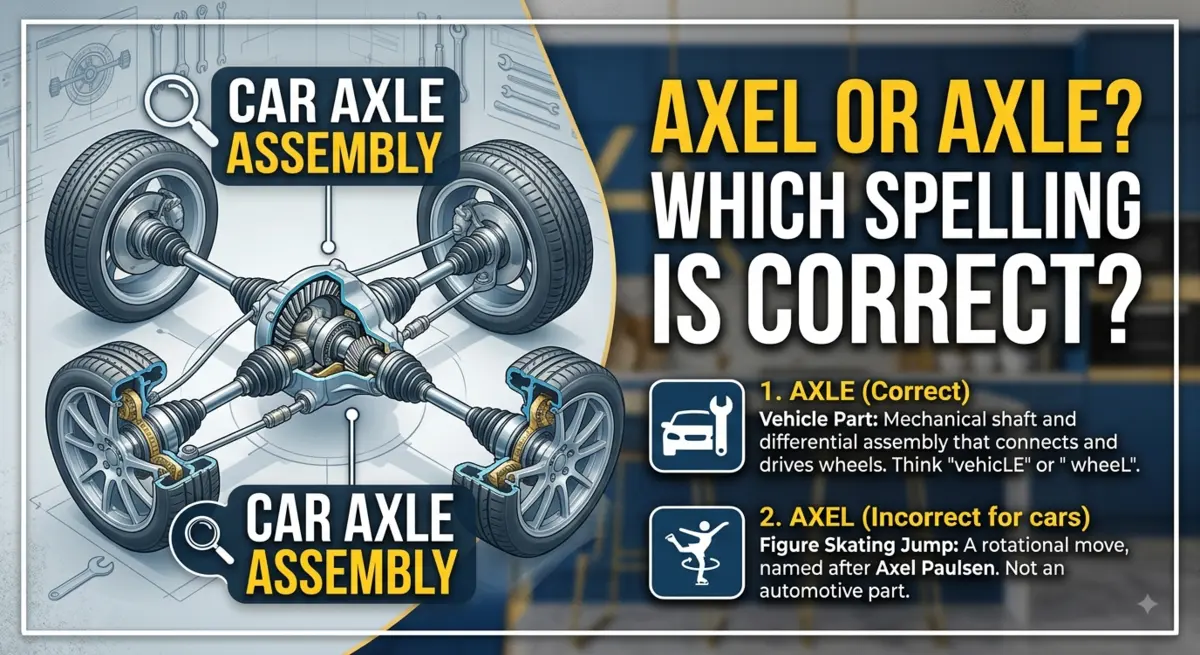
Ever gotten stuck at the word “axel” or “axle”? You’re not alone. It’s a common error that befuddles writers, students, ...
Read more
Rode vs Ridden: What’s the Difference? Easy Examples
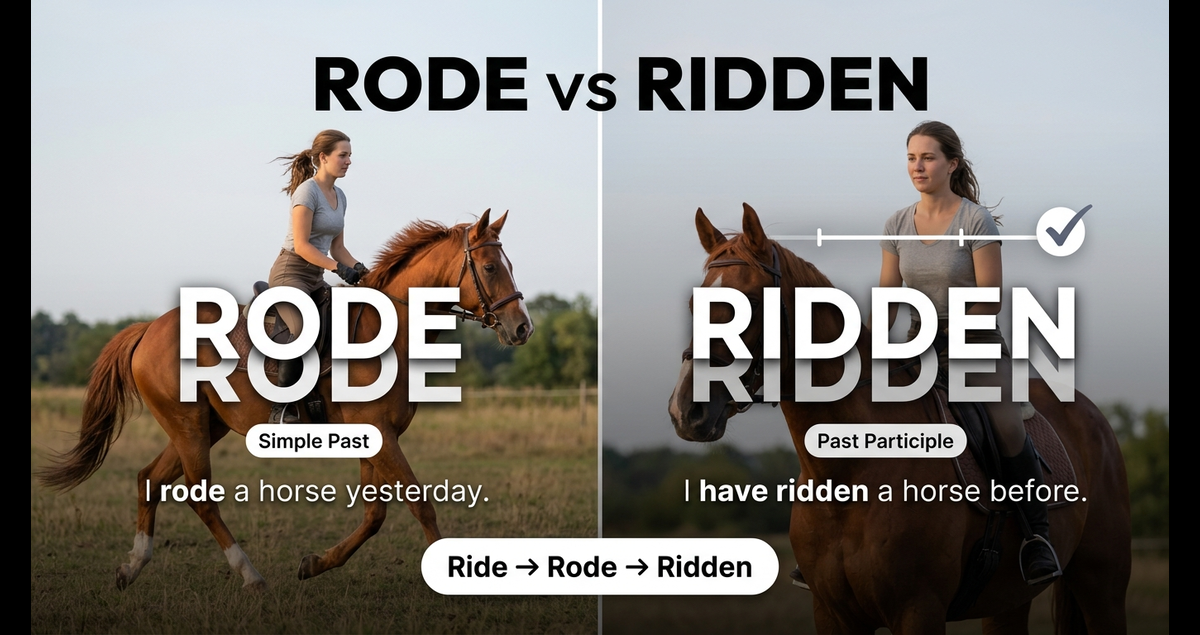
Ever wondered when to use the word “I rode a horse” vs. “I have ridden a horse?” The irregular verb ...
Read more
Automatic or Manual? Complete Guide

Buying a car often stops at one question: automatic or manual? People type this phrase into Google every day, and ...
Read more
Avocado Oil or Olive Oil: Which One Should You Actually Use?

Stand in any kitchen aisle and you’ll see two bottles staring back at you: avocado oil and olive oil. Both ...
Read more
Idle vs Idol: What is the difference? (+ Easy Examples)

You’re typing a sentence. You want to discuss your car that you haven’t driven for weeks, or perhaps you want ...
Read more
Fair vs Fare: What’s the Difference? (+ Easy Examples)

You’re sending a text message to a friend about your bus trip, but you stop midway through the text. Is ...
Read more
Heal or Heel: What’s the Difference?
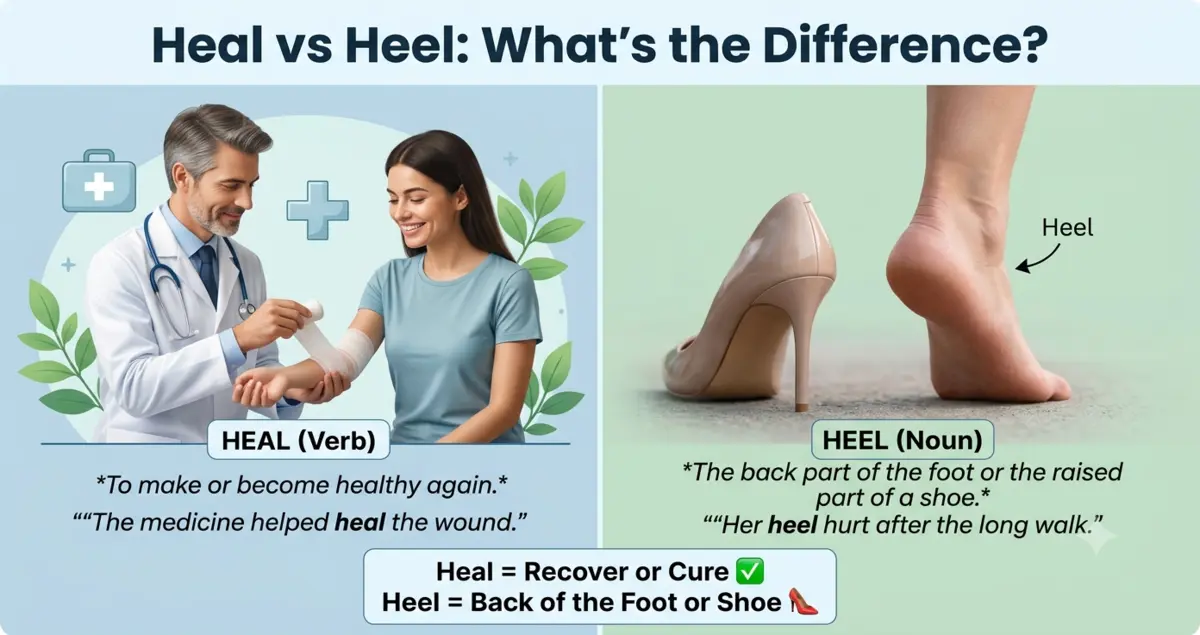
Ever came across a situation while writing where you didn’t know whether to use heal or heel? You’re not alone. ...
Read more