Pair or Pear or Pare: What’s Difference and Which Word You Use?
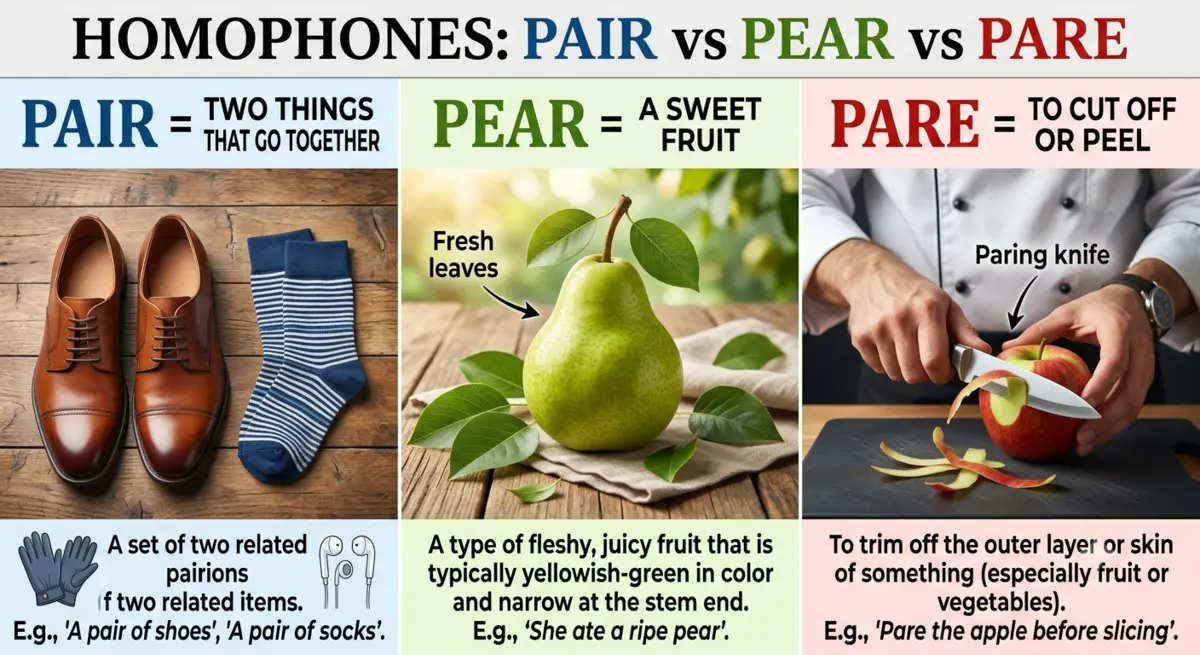
Many English learners and writers get confused by the words pair, pear, and pare. They sound exactly the same, but ...
Read more
There or Their: Difference and Which One Should You Use?
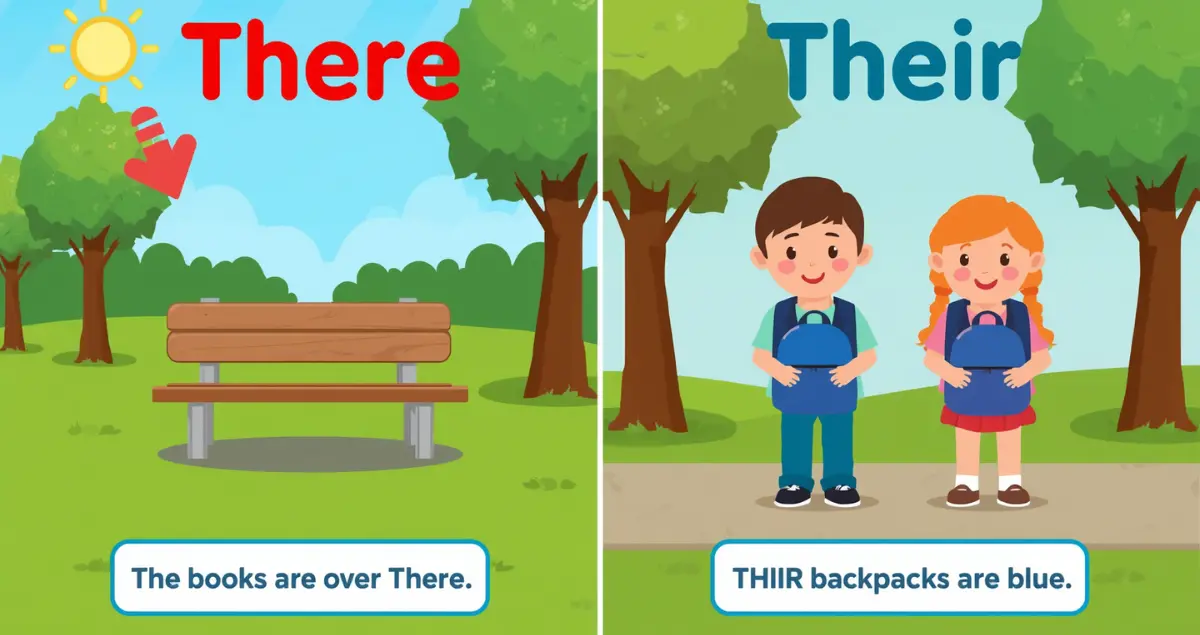
Many people confuse there and their because the words sound the same. They are called homophones. Even fluent English speakers ...
Read more
Peak or Peek or Pique: What’s Difference and Which You Use?
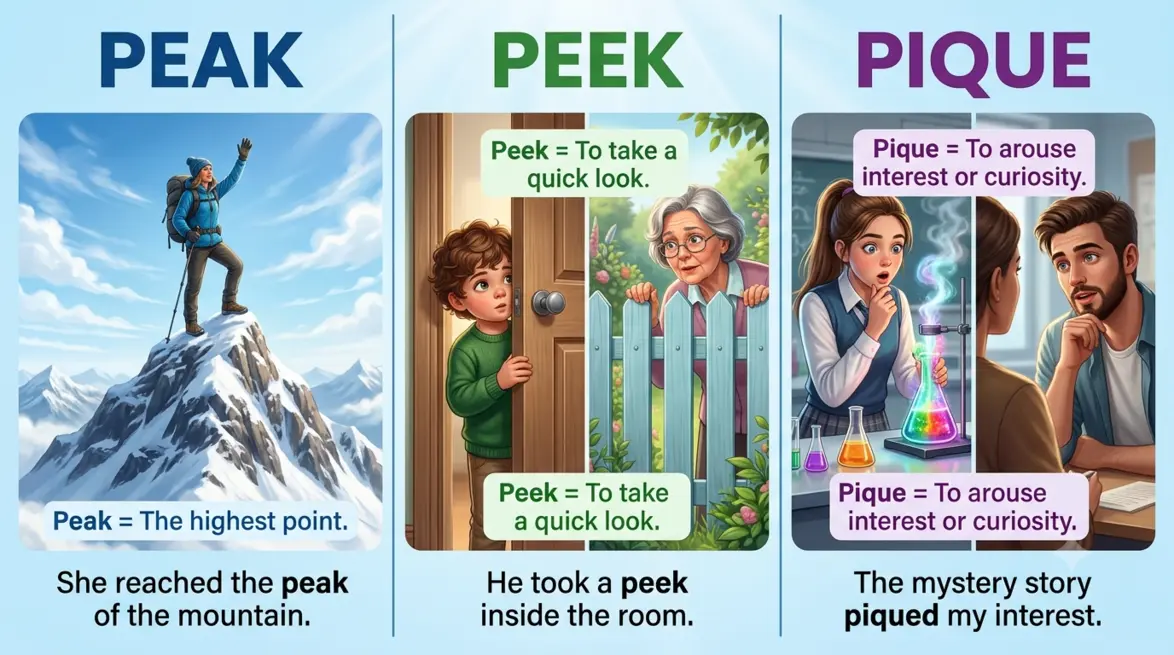
Many English learners and even native speakers confuse peak, peek, and pique because they sound the same. These words are ...
Read more
Gotten or Got: Which Word Should You Use?
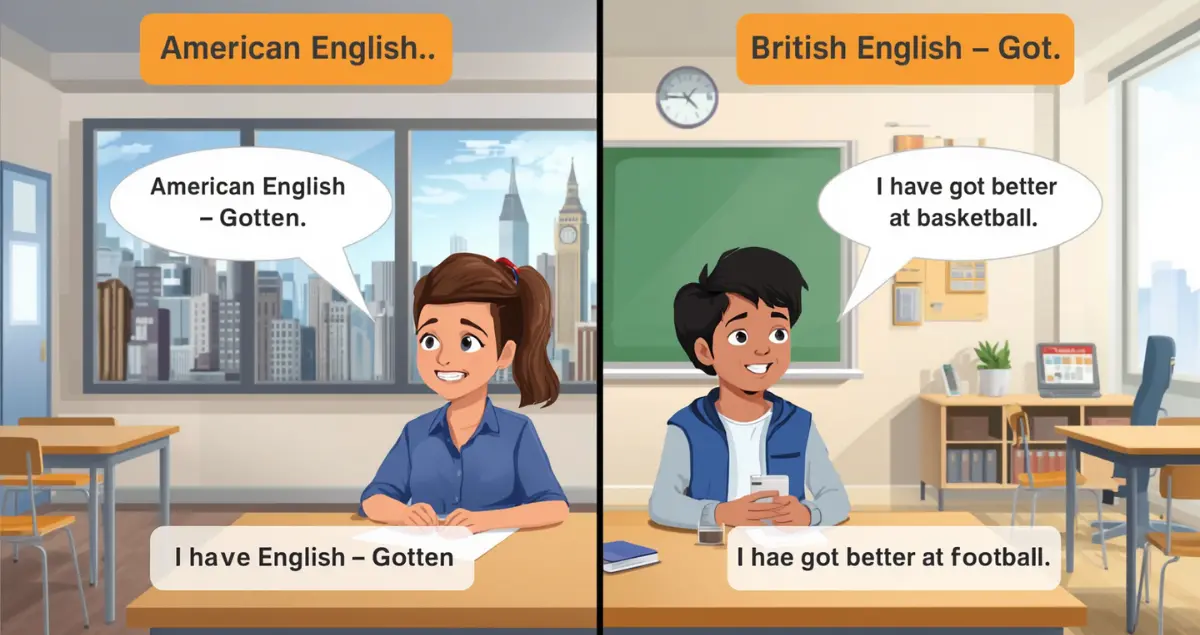
Have you ever wondered whether you should write “gotten” or “got”? Many English learners and even native speakers get confused ...
Read more
Prey or Pray: What’s Difference and Which Word You Use?
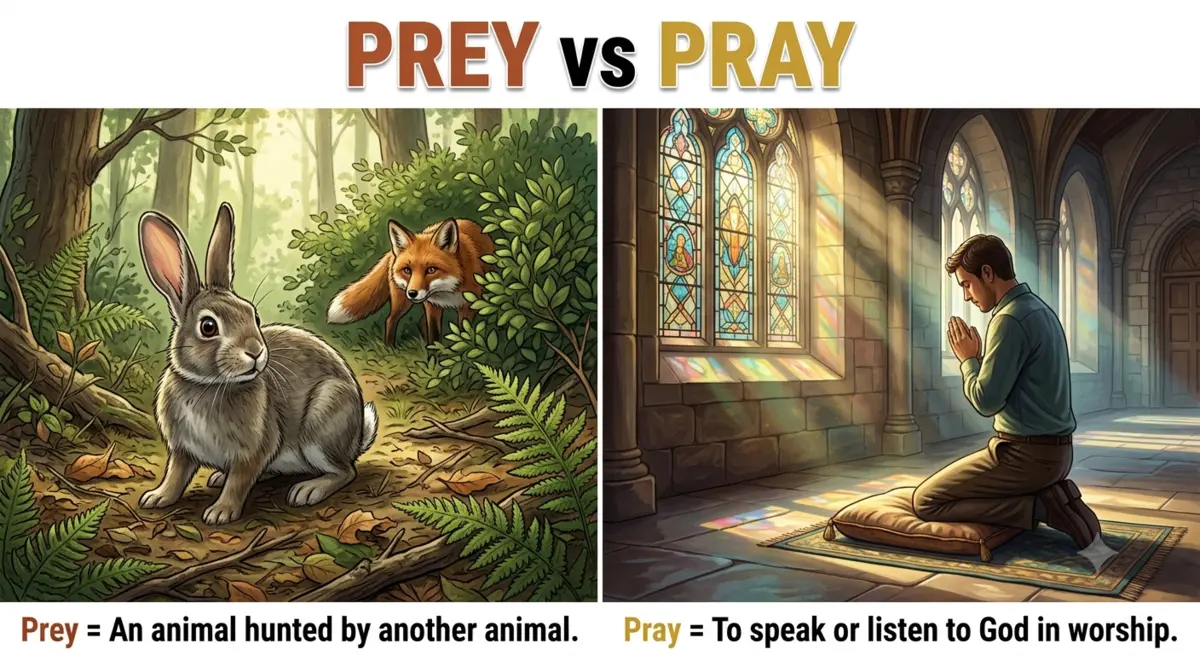
Many English learners confuse “prey” and “pray” because the two words sound exactly the same. They are homophones, which means ...
Read more
Meat or Meet: What’s Difference and Which Word You Use?

Many English learners confuse “meat” and “meet” because they sound the same. These words are called homophones. They have the ...
Read more
Morning or Mourning: What’s Difference and Which Word You Use?
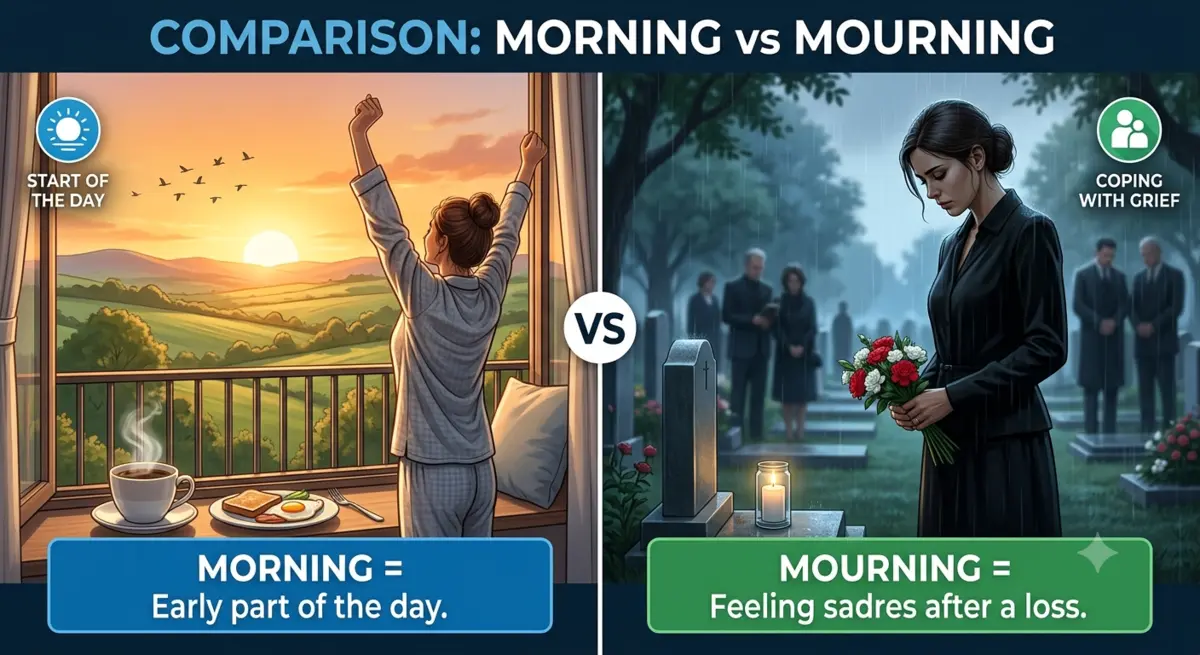
Many people search for “morning or mourning” because the two words sound the same but have very different meanings. This ...
Read more
Pain or Pane: What’s Difference and Which Word You Use?

Many English learners confuse pain and pane because the two words sound the same. They are called homophones. Homophones are ...
Read more
Accept or Except: Difference and Which Word Should You Use?

Many English learners and even native speakers confuse accept and except. The two words sound almost the same, but they ...
Read more
Done or Did: What’s the Difference Which One Should You Use?
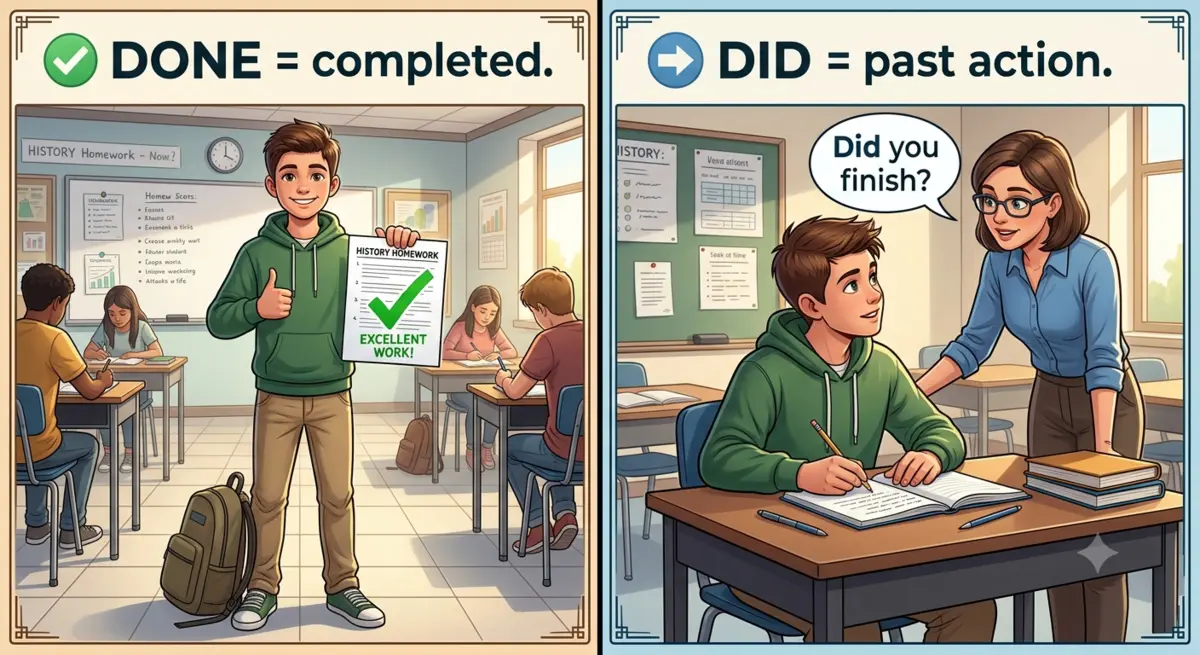
Many English learners and writers get confused about “done or did.” These two words look simple, but they are used ...
Read more