Written vs Wrote: What’s the Difference? (+ Easy Examples)
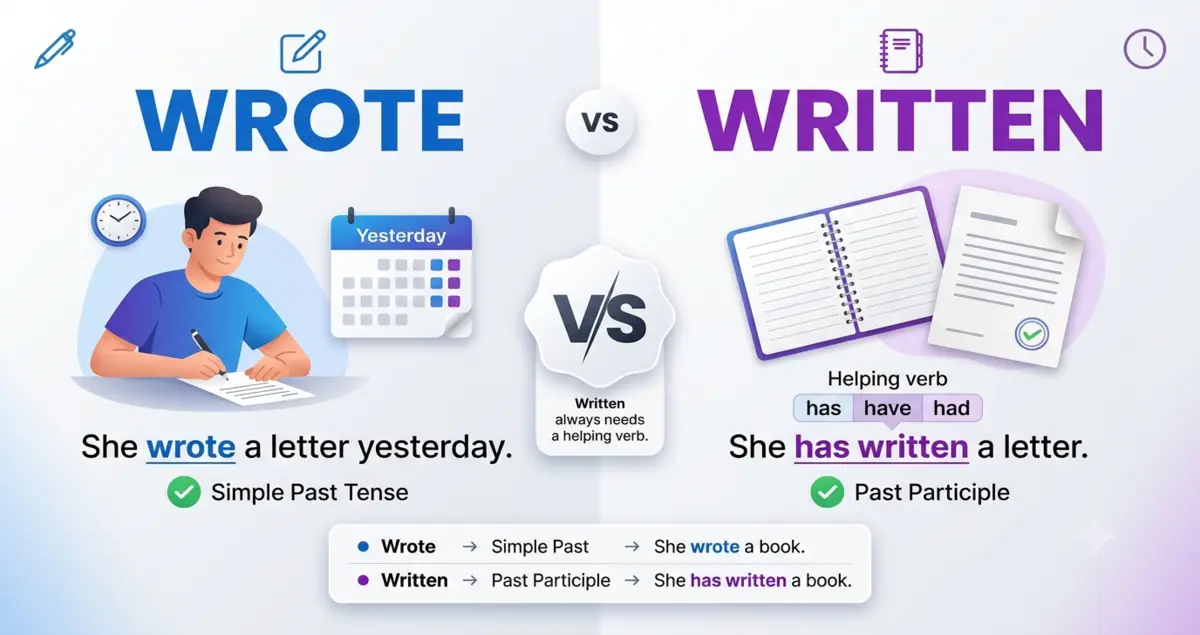
You’re in the middle of an email. You write, but stop, “I have wrote… Something feels off. If that should ...
Read more
Drive or Driven The Simple Guide to Using These Words Correctly
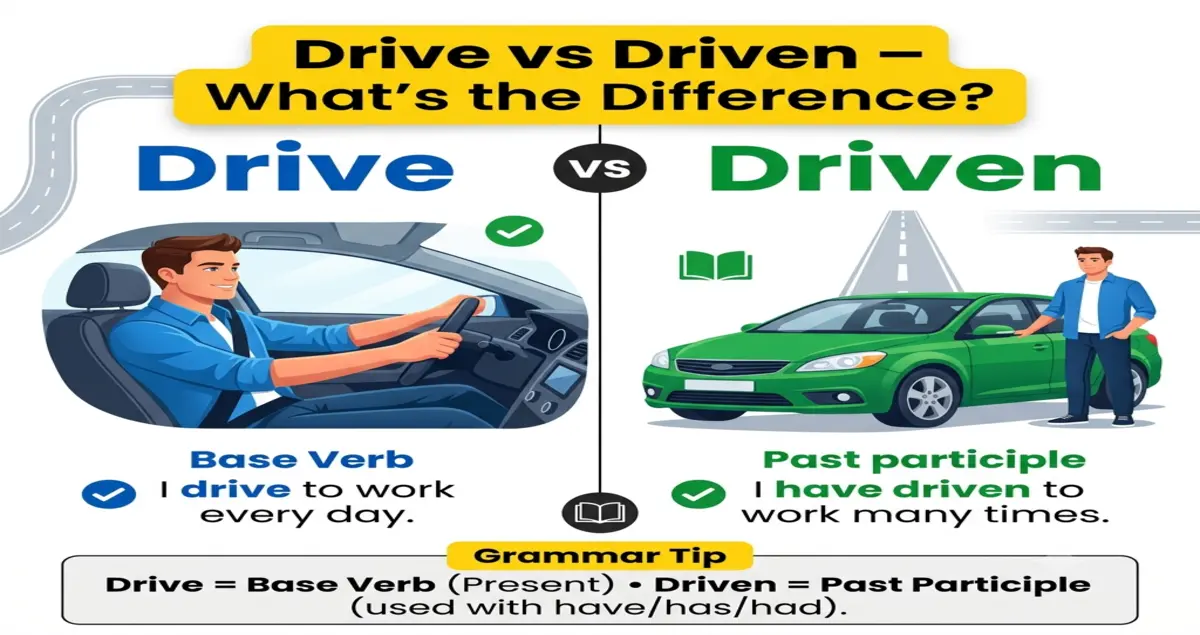
At any point in your writing, have you asked yourself, “Should I use drive or driven here?” You’re not alone. ...
Read more
Chose or Chosen what is the difference and which one you use
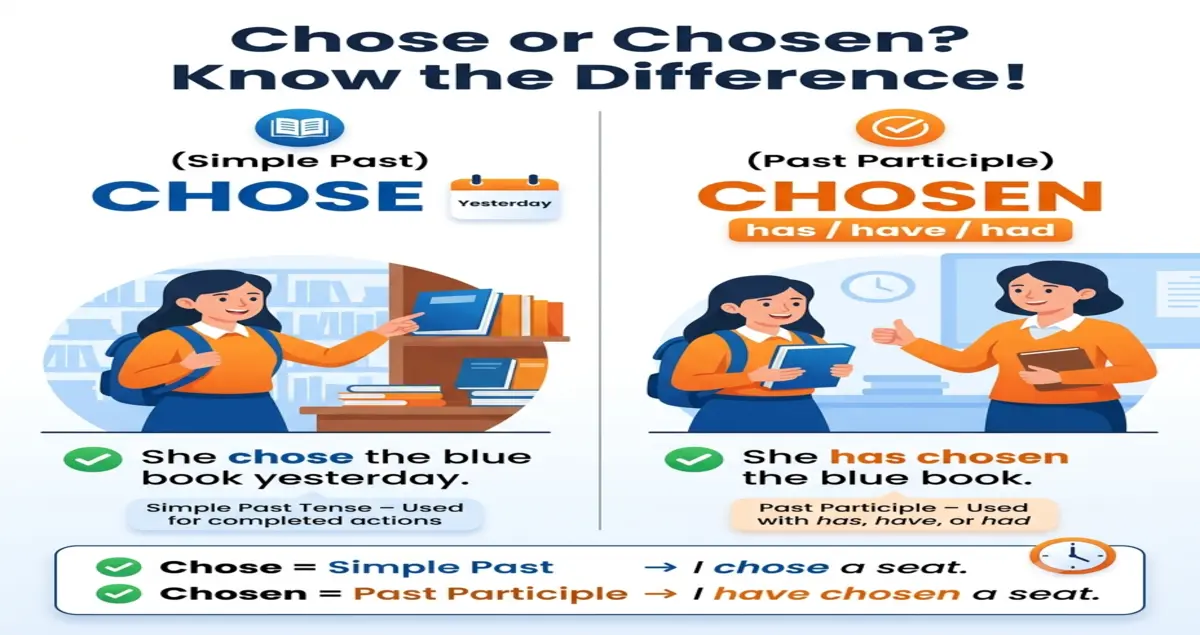
It is important to note that many English learners as well as native speakers can mix up the meanings of ...
Read more
Sung or Sang which word you use from these
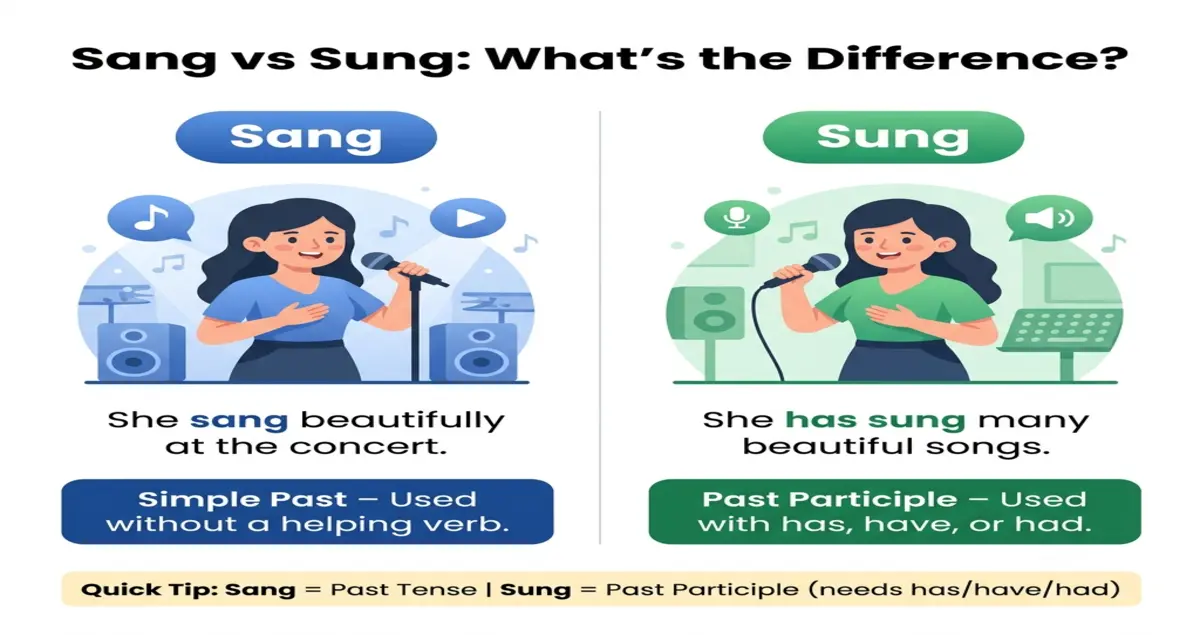
Many students of English and even native speakers struggle with “sung or sang.” The two words are both derived from ...
Read more
Difference between Swam and Swum and which is correct
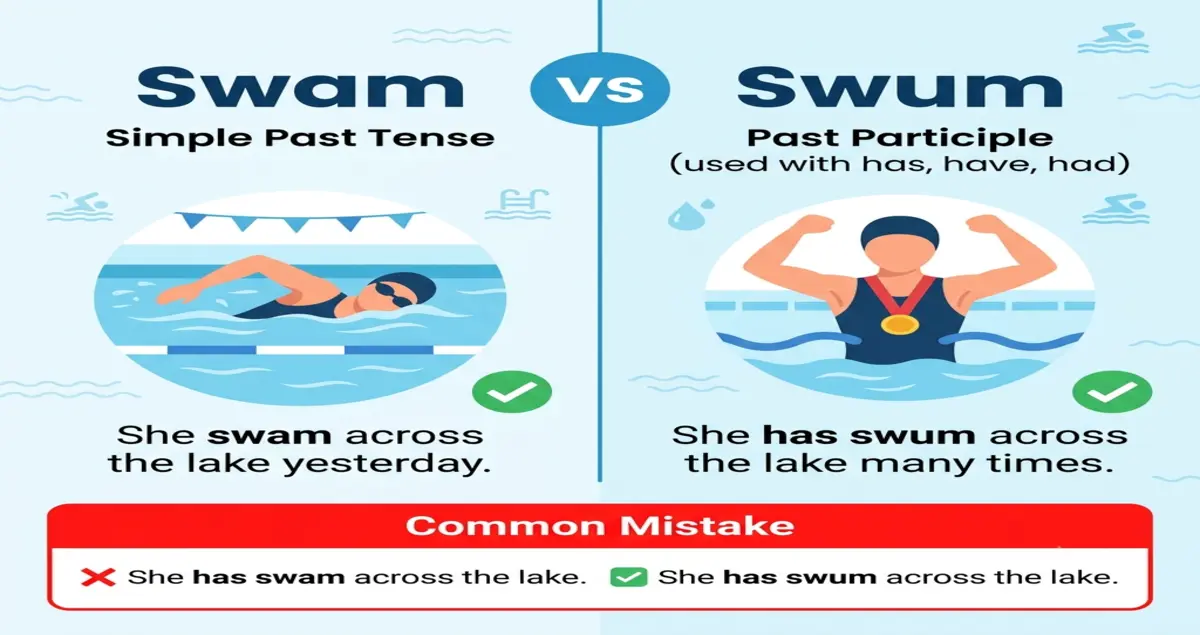
The grammar question that is asked by many ELLs and native speakers is “Should I write swam or swum?” Both ...
Read more
Hanged or Hung: What’s Difference and Which You Use
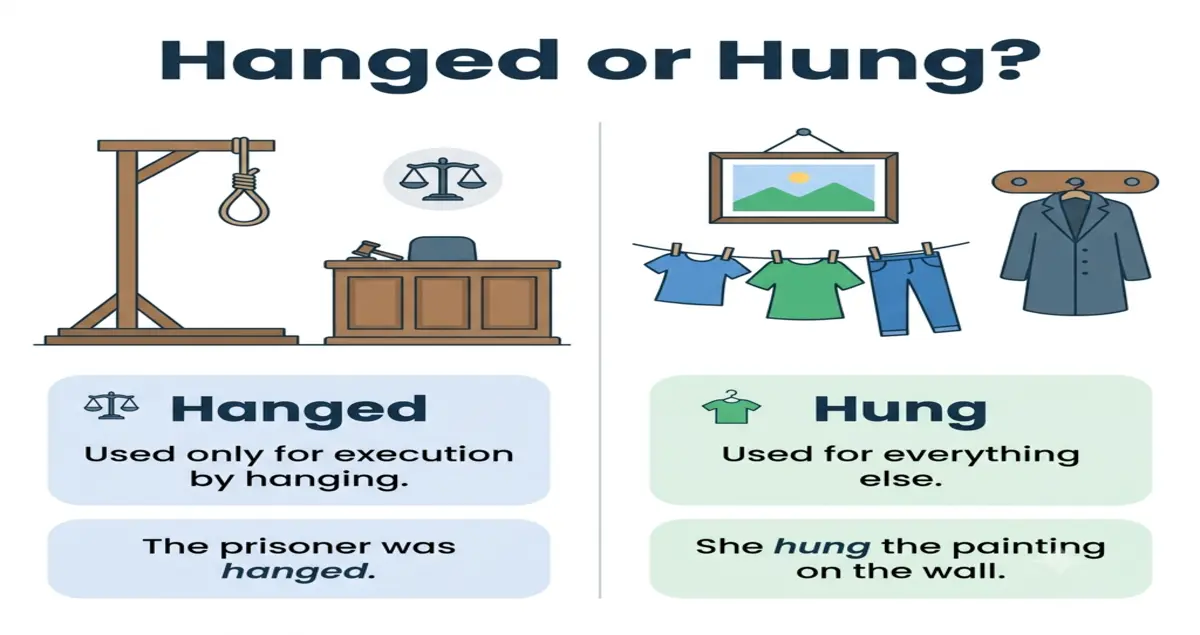
At any point have you paused to ask yourself when writing this question: Should I write “hanged” or “hung“? You’re ...
Read more
Laying or Lying: What’s Difference and Which One You Use
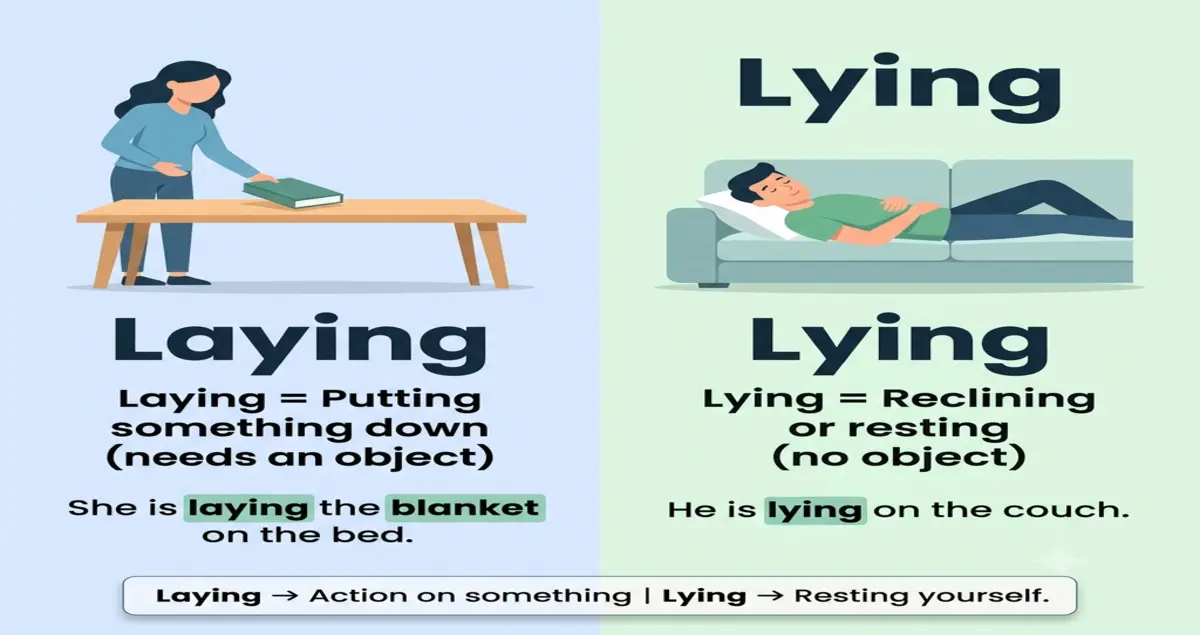
Many people get confused about laying or lying because both words sound similar and relate to resting or placing something ...
Read more
Whether a colon should follow i.e or e.g. and when is up to debate.
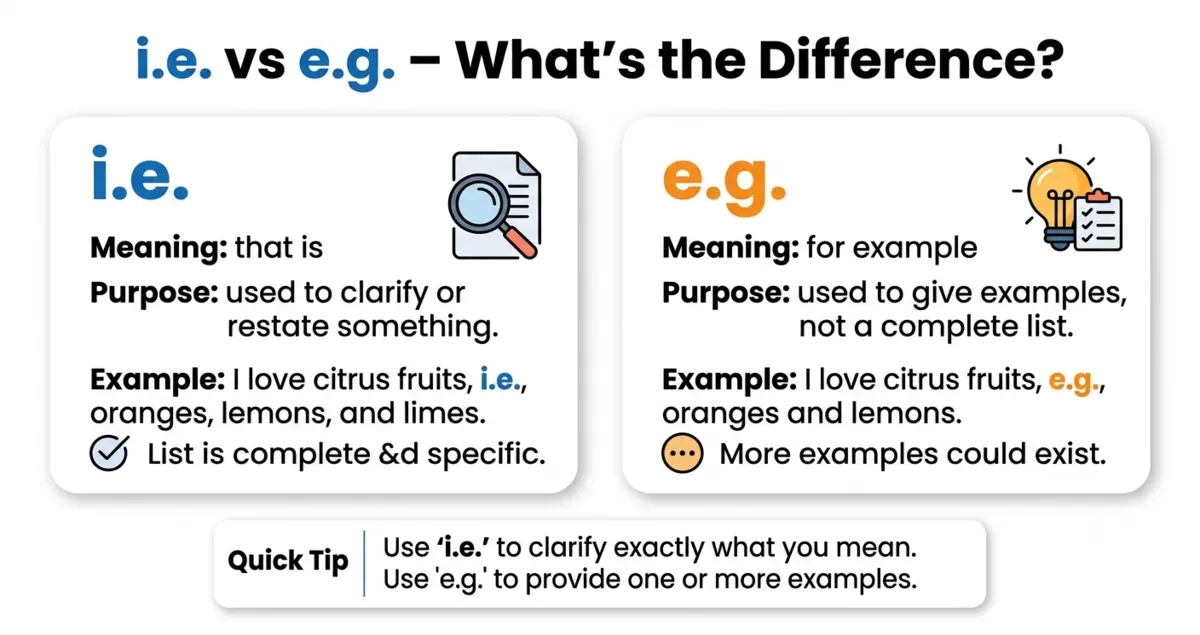
Ever come across an email in progress and thought, Should I use “i.e.” or “e.g.”? You’re not alone. These two ...
Read more
Difference between their, theres and they’re, how to use them.
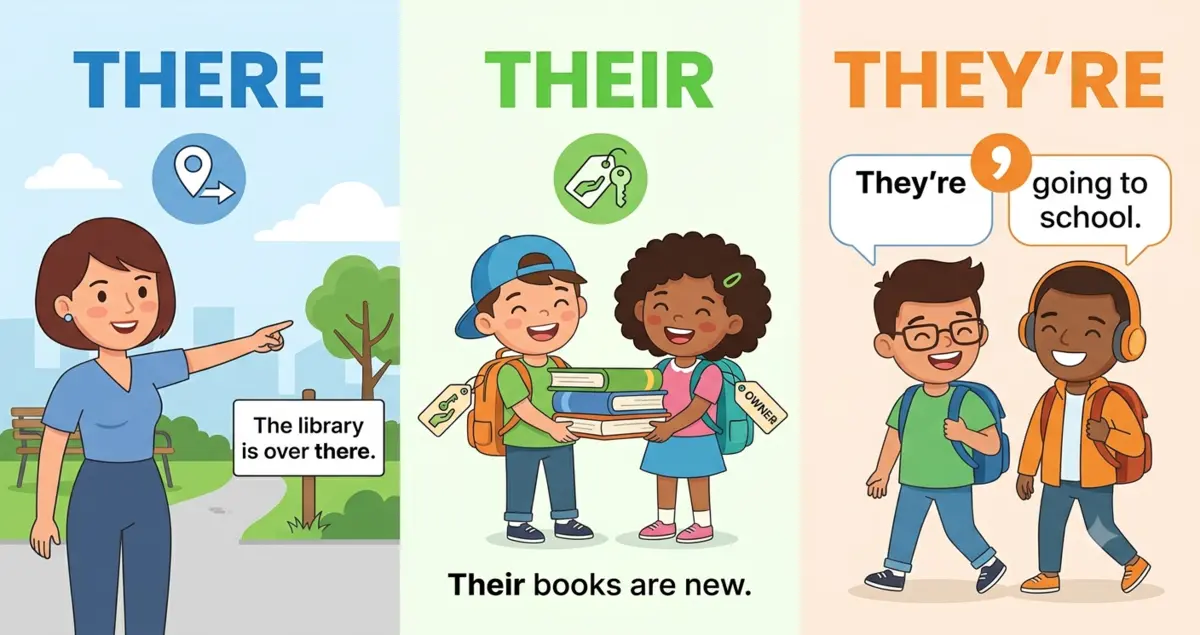
Ever get stuck while writing because you didn’t know if you should use their, there, or they’re? You’re not alone. ...
Read more
Spoke or Spoken: What’s difference between them
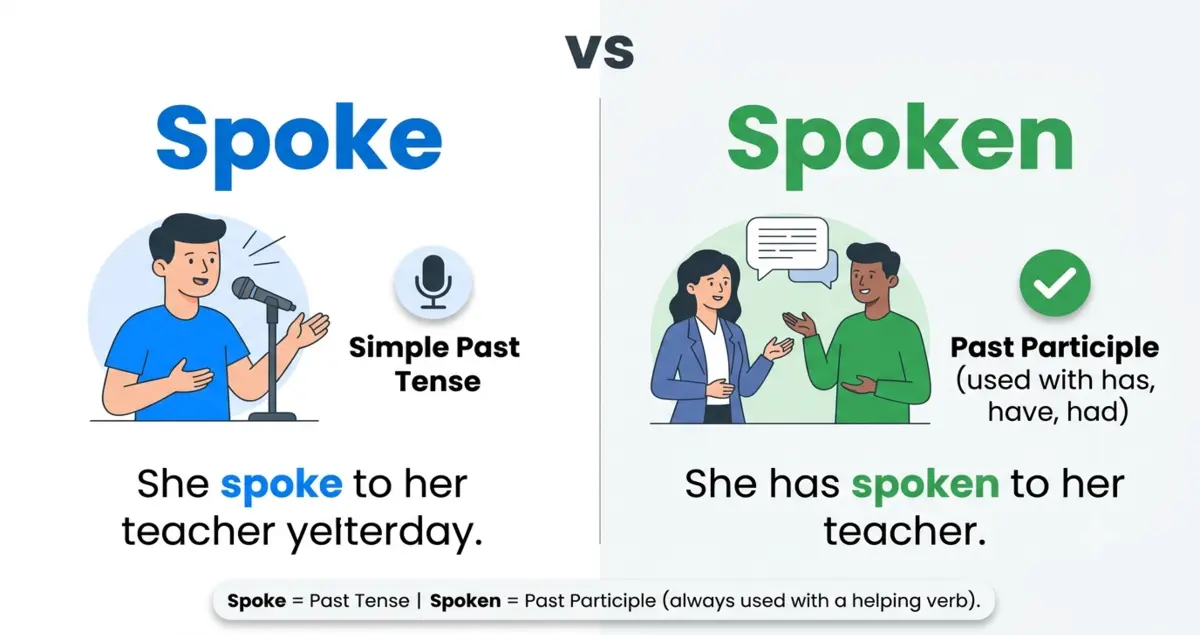
English learners and writers often look for the words “spoke or spoken” because they are so similar in appearance, but ...
Read more